

KEY POINTS
-
Traditional markets across Nigeria are embracing e-commerce to expand reach and boost trade.
-
Platforms like Alerzo, Jumia, and social media tools are helping traders blend physical stalls with digital storefronts.
-
While challenges remain, digital literacy programs and mobile access are accelerating the shift toward a hybrid marketplace model.
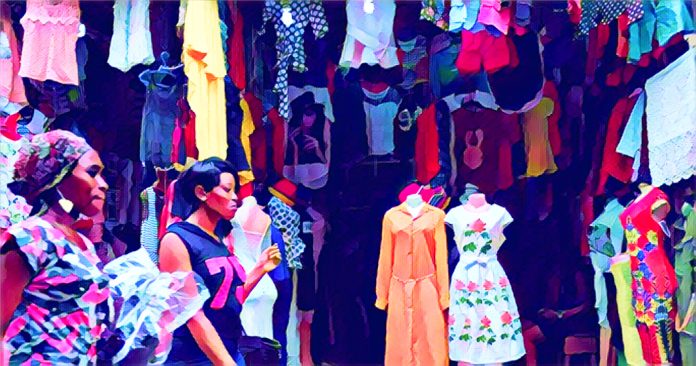
In the heart of Nigeria’s bustling towns and historic cities, age-old markets like Kano’s Kurmi Market, Onitsha Main Market, and Ibadan’s Oje Market have long been pillars of economic and cultural life.
These vibrant spaces, once limited to foot traffic and word-of-mouth promotion, are now undergoing a quiet but transformative revolution—driven by e-commerce.
What began as a threat to their survival during the COVID-19 lockdowns has turned into an unlikely opportunity. With the rise of platforms like WhatsApp Business, Jumia, and local apps such as Alerzo and TradeDepot, traditional market traders are finding new customers across Nigeria—and beyond.
“I used to sell only to people who could walk into my stall,” said Mariam Yusuf, a textile trader in Zaria. “Now, I have customers in Lagos and Port Harcourt who order on WhatsApp. My son helps me with the deliveries.”
Digital tools bridge the gap between tradition and modernity
According to a 2024 report by the Nigerian Communications Commission, mobile internet penetration now stands at over 54%, creating fertile ground for digital trade. Tech startups and informal traders are meeting in the middle, forging partnerships that are reshaping how Nigerians access goods and services.
Alerzo, a tech company based in Ibadan, is one of the major players behind this shift. Its founder, Adewale Opaleye, said the platform was built to serve informal retailers in underserved towns.
“Most traders are women who run small shops in markets,” he explained. “They don’t have time to leave their stalls to go restock or advertise online. We take care of that by offering inventory delivery, digital payments, and visibility through mobile platforms.”
The result is a hybrid trade model that blends the tactile, human-centered culture of Nigerian markets with the efficiency and reach of digital tools. In markets once dominated by haggle and handshakes, QR codes and mobile money are becoming increasingly common.
Digital marketing is also reshaping vendor-customer dynamics. Traders now showcase their products via Instagram Live, Facebook Marketplace, or short videos on TikTok, reaching young, tech-savvy audiences while preserving the essence of their traditional crafts.
E-Commerce helps preserve cultural goods while opening global markets
Beyond foodstuff and household items, Nigeria’s traditional markets are home to crafts, fabrics, and medicines with deep cultural roots. E-commerce has made it easier for these goods to reach a global diaspora longing for a taste of home.
In Enugu, a group of artisans selling Akwete cloths has started exporting to Europe through digital catalogues shared with Nigerian communities abroad. Similarly, herbalists in Benin are offering consultations online, followed by the delivery of carefully packaged remedies via logistics companies.
“We never imagined our local medicines would sell in London,” said Omoregie Osazuwa, a fifth-generation herbalist. “Now, my daughter manages an Instagram page and we have regular customers in the UK.”
Despite the optimism, challenges remain. Power outages, poor logistics, and limited digital literacy among some traders still hinder full-scale adoption. But with ongoing training programs from state governments and NGOs, the digital divide is slowly narrowing.
In Lagos, the Ministry of Commerce has partnered with Google and Access Bank to train 10,000 market women in basic digital skills. Programs like these aim to bring more market participants online and formalize the informal sector.
As Nigeria continues to grapple with economic shocks and inflation, e-commerce offers a lifeline—revitalizing centuries-old market systems without replacing their social and cultural value.
“The market is not just a place to buy and sell,” said Dr. Funmi Adeyemi, an economic anthropologist. “It’s a space of identity, memory, and community. E-commerce, if guided wisely, can preserve that while expanding economic possibilities.”

