

Key Points
-
Amnesty says 24 protesters were killed during Nigeria’s August 2024 demonstrations.
-
Protesters, including minors, face sham trials on bogus charges.
-
No police officers have been prosecuted despite mounting evidence of abuses.
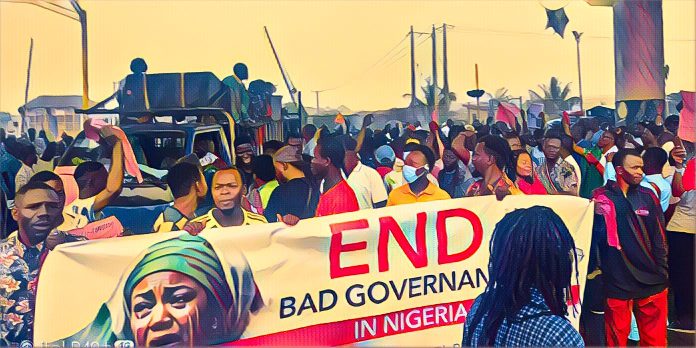
In a damning evaluation of the government’s human rights record, Amnesty International stated that not a single officer has been held responsible for the deaths of at least 24 protesters, one year after Nigerian security forces brutally put an end to the #EndBadGovernance demonstrations.
In protest of the country’s worsening cost-of-living crisis, thousands of Nigerians, primarily young people, took to the streets in August of last year.
Tear gas and live ammunition were used against protesters in cities like Lagos and Abuja, resulting in dozens of fatalities and hundreds of arbitrary arrests.
Amnesty accused Nigerian authorities of a purposeful cover-up in a statement issued Thursday in honor of International Youth Day, claiming that the police still reject growing evidence of extrajudicial executions, torture, and wrongful detentions.
Amnesty International Nigeria director Isa Sanusi stated, “The Nigerian government has completely failed to ensure justice for victims and survivors of police brutality during the #EndBadGovernance protests.”
“One year later, the scope of human rights abuses is still astounding, but no security forces member has been prosecuted.”
Killings, Torture, and Sham Trials
According to Amnesty International’s most recent investigation, police in the states of Kano, Jigawa, Katsina, Borno, Niger, and Kaduna killed at least 24 people between August 1 and August 10, 2024.
The rights organization documented instances in which police shot demonstrators with live ammunition at close range, frequently aiming for the head or torso. This was a blatant sign of a shoot-to-kill tactic.
Survivors recounted terrifying experiences: tear gas fired into crowded areas suffocated others, and two protesters were shot in the arms and legs. Detainees endured severe torture while in custody, including malnutrition.
During a court appearance in Abuja on November 1, 2024, Amnesty brought attention to a particularly disturbing incident in which children passed out from starvation.
Nigerian authorities have continued to prosecute protesters in spite of these accusations. Teenagers as young as 14 were found guilty in hurried trials in Borno state of creating a WhatsApp protest group called “Zanga Zanga” with the intention of “taking up arms against the government.”
Adult protesters were sentenced to five years in prison, while the minors were given community service and caning.
A different group of demonstrators in Abuja are still facing what Amnesty International called “sham trials” on charges as serious as “levying war against the state” and “inciting mutiny”—charges that are mostly based on social media posts and protest slogans like “Tinubu must go.”
A Culture of Impunity Persists
Sanusi cautioned that the government’s failure to look into or bring charges against the murderers points to a wider breakdown of civil liberties in Nigeria.
He claimed that the events in Nigeria in August of last year served as a clear reminder of the government’s contempt for human rights.
“It will only encourage more abuses and normalize the use of firearms as a tool to silence dissent if security forces are not held accountable.”
Amnesty International urged Nigerian authorities to immediately drop all politically motivated charges against demonstrators and to enact significant reforms to safeguard peaceful assembly and freedom of expression.
Sanusi declared, “The right to protest is not a crime.” “The Nigerian government is choosing to violate a fundamental human right.”

