

KEY POINTS
- Only 38.32% of students passed 2025 WASSCE with credit.
- Performance drop highlights growing concerns over Nigeria’s education system.
- Experts call for reforms to address failing infrastructure and quality.
Nigeria’s 2025 West African Senior School Certificate Examination (WASSCE) results have hit their lowest point in a decade, sparking calls for urgent reforms in the country’s education sector.
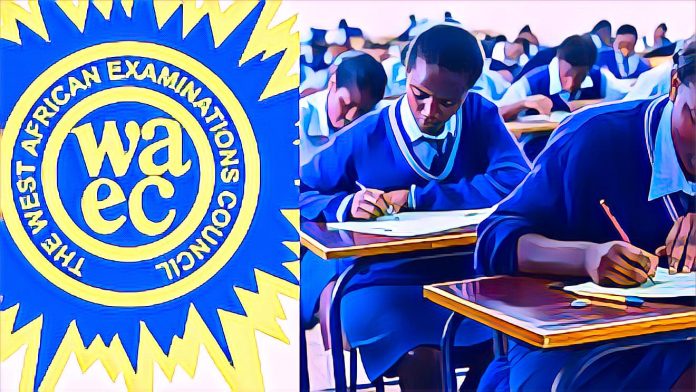
Released on Monday in Lagos, the results revealed that only 38.32% of candidates earned credit in five subjects, including English and Mathematics, a dramatic drop from the 72.12% recorded the previous year. With over 1.9 million candidates sitting for the exam across 23,554 schools, this decline mirrors growing concerns about the quality of education and the effectiveness of Nigeria’s school system.
Performance drop raises alarms
The 2025 WASSCE results show a staggering 33.8% decline from the 2024 figures, marking the worst performance since 2014. While the decline in results is partly attributed to new examination strategies aimed at reducing cheating, experts argue that it is a symptom of deeper systemic issues.
According to Amos Dangut, WAEC’s head of Nigeria office, the new approach to serialising objective test papers made it harder to cheat, but also contributed to the dip in results. Despite this, essay-based papers remained consistent with previous years, indicating that candidates still struggled with foundational knowledge.
Education system in crisis
Education experts are voicing their concerns over the dismal results, with many pointing to the growing number of unqualified teachers, lack of resources, and inadequate infrastructure in schools.
Titus Ugboma, principal of a secondary school in Lagos, called for a complete overhaul of the country’s education system. He argued that the proliferation of private schools with unqualified staff, combined with a shortage of libraries and laboratories, is severely impacting student performance.
Joy Umana, a secondary school teacher, also blamed the decline on candidates’ lack of commitment to studying, highlighting the pervasive culture of exam malpractice and the government’s failure to curb it.
According to Punch, education analyst Kayode Abimbola echoed these concerns, urging the government to ensure that only qualified schools receive approval and that more investment is made in public schools to ensure quality teaching.

