

KEY POINTS
-
JoySports Invitational Tournament drove direct sales boost for Luckiest *712#.
-
Mass resignations at UNILAG show scale of education crisis.
-
Chronic underfunding and poor pay drive lecturers out of Nigeria’s universities.
-
Innovative funding models are needed to sustain higher education.
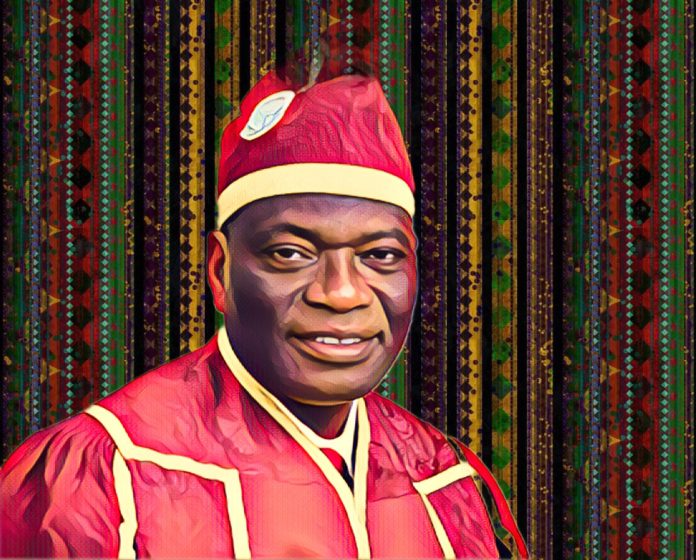
Nigeria’s higher education sector is bleeding talent as young academics abandon universities in droves, the immediate past Vice-Chancellor of the University of Lagos (UNILAG), Prof. Oluwatoyin Ogundipe, has warned.
Speaking at The PUNCH Forum on Tuesday, Ogundipe disclosed that 239 first-class graduates who were retained as lecturers at UNILAG between 2015 and 2022 have since resigned, leaving just 17 in the institution’s employ as of October 2023.
“At UNILAG, we made it a policy to employ first-class graduates as lecturers. But what is remaining is not up to 10 percent. They have all left. In 2015, 86 were employed, in 2016, 82, and during my tenure between 2017 and 2022, another 88 were hired. By October last year, only 17 were left. They are gone,” he said.
He linked the exodus to poor remuneration, weak infrastructure, and worsening working conditions that have left many young academics disillusioned.
Nigeria’s education sector faces chronic underfunding
Ogundipe lamented that chronic underfunding is crippling Nigeria’s universities and threatening their long-term future. According to him, federal and state allocations to education have consistently remained below 10 percent of annual budgets—far short of UNESCO’s recommended 15 to 26 percent.
“Many of us are tired. By the time you get home, there is no electricity. The Federal Government says they are giving us N10 million loans. Can that build even a security post? Our lives have been devalued. The young ones are leaving,” he said.
He warned that if urgent steps aren’t taken, universities could face two major crises within the next decade: campuses increasingly dominated by women due to male lecturers opting out of academia, and poorly prepared candidates filling postgraduate programmes.
Beyond budgetary constraints, Ogundipe said universities are overstretched in infrastructure, research support, digital facilities, and teacher remuneration. Much of the internally generated revenue that should go into research is instead being used to plug funding gaps.
Call for innovative funding in higher education
Ogundipe, now Pro-Chancellor of Redeemer’s University, argued that traditional government allocations will never be enough to bridge Nigeria’s education financing gap. He urged the adoption of innovative funding models, including alumni endowments, education bonds, public-private partnerships, and philanthropy.
He stressed that the private sector should not see education spending purely as charity but as an investment in future workforce and markets. He also called on alumni and the diaspora community to support their alma maters through donations, mentorship, and advocacy.
To him, civil society and faith-based organisations must continue to push for inclusion and equity in education, while donor agencies should partner with Nigeria in sustainable ways.
“Education is the most sacred trust we must pass to our children,” Ogundipe said. “Our fingerprints, our names, our footprints should be found in the libraries, the scholarships, the digital labs, and the lives changed.”

