

Key Points
-
Critics say 5 percent fuel tax will raise inflation.
-
Stakeholders warn Nigerians face more economic hardship.
-
Opposition groups vow to resist the new fuel levy.
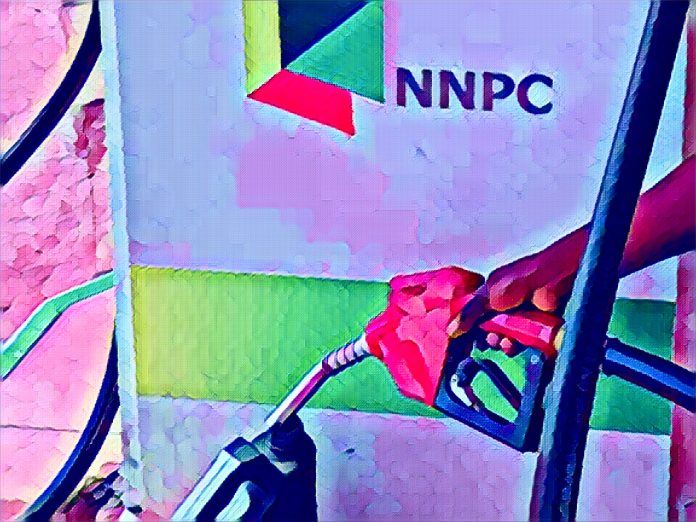
The planned 5 percent fuel tax on petrol and diesel, set to take effect on January 1, 2026, has drawn strong resistance from petroleum marketers, civil society organizations, and opposition parties.
The Petroleum Products Retail Outlets Owners Association of Nigeria (PETROAN) warned the surcharge could push many operators out of business.
Its president, Billy Gillis-Harry, said retailers already struggle to keep up with high costs.
“The law is too hard on the people and will need to be amended,” he said.
Industry experts noted that petrol already sells at about N950 per liter, up more than 380 percent since President Bola Tinubu assumed office in May 2023.
They warned that any additional tax would fuel inflation and increase poverty.
Opposition parties reject fuel levy as cruel policy
The African Democratic Congress (ADC) and Labour Party presidential candidate Peter Obi condemned the measure, calling it cruel and insensitive.
Obi argued the policy would punish Nigerians already struggling with high living costs.
He urged the Federal Government to delay the levy until citizens see improvements in their standard of living.
The ADC echoed that stance, accusing the administration of making false claims about revenue while imposing harsh measures.
The party said the 5 percent fuel tax would deepen poverty and worsen the effects of subsidy removal.
Civil groups vow resistance and call for review
Civil society groups, including the Joint Action Front (JAF), pledged to mobilize Nigerians against the levy.
JAF’s secretary, Abiodun Aremu, described the policy as “wicked” and aimed at keeping ordinary people in hardship.
Policy experts added that without safeguards, the tax could escalate inflation, increase food prices, and weaken purchasing power.
Dr. Muda Yusuf of the Centre for the Promotion of Private Enterprise warned that the levy was “politically risky” and might fuel public unrest.
Meanwhile, the Arewa Youths Assembly urged the government not to make citizens bear the cost of Nigeria’s energy transition.
The group argued that the renewable sector remains underdeveloped, leaving people with few alternatives.
As pressure mounts, calls are growing for the Federal Government to review or suspend the 5 percent fuel tax before its scheduled January 2026 rollout.

