

Key Points
-
Naira rises in Nigeria’s parallel market, trading at ₦1,518.
-
Cardoso’s strong oversight warnings aim to temper speculative forex flows.
-
Significant risks linger despite the rebound, highlighting deep macro fragility.
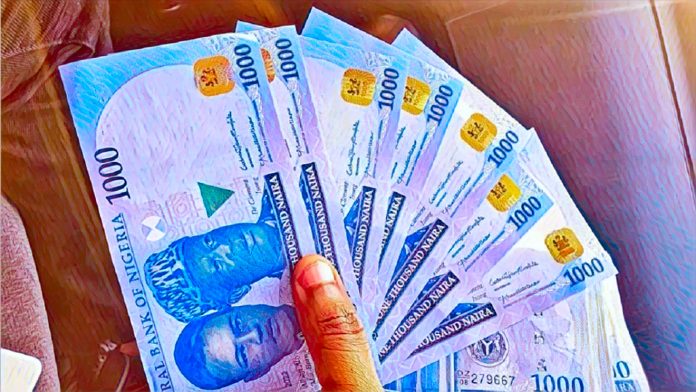
After weeks of pressure, the naira went up in the parallel market, closing at ₦1,518 to the US dollar on Tuesday, according to dealers in Lagos. This gain is one of the biggest changes in Nigeria’s unofficial foreign exchange market in the past few months.
Traders and analysts say it shows a mix of lower demand for the dollar and a renewed focus by central banks on risky behaviour.
According to a report by Vanguard news, Olayemi Cardoso, the governor of the central bank, has publicly warned against abusing forex windows and flagged interventions. This shows that the authorities are getting more and more impatient with erratic swings. His comments came right after the bank’s Monetary Policy Committee lowered its benchmark interest rate to 27 percent, which was the first cut of this kind since 2020.
Dollars sellers come back after a freeze
Some exporters and remitters have started offering foreign exchange again after a tense time when people were hoarding dollars and there wasn’t much supply. A currency dealer in Ikeja said that those flows helped ease the pressure.
The dealer, who didn’t want to be named, also said that small speculators have backed off for now. Meanwhile, a lot of importers still can’t get into the official window.
The CBN is keeping a closer eye on dealers on the street and currency exchange offices. In Abuja, people from the Financial Markets Department went to big Bureaux de Change (BDCs) and told them they would lose their licenses if they broke the rules.
Internal memos have made it clear that the Currency Operations division of the central bank, led by Priscilla Ekwere Eleje, is very important to making the clampdown happen.
Gain is weak even after the rally
There are still big risks, even with this rise. Inflation in Nigeria is still stubbornly high, above 20%, which is making real gains in purchasing power go down. At the same time, net capital inflows are low, and the difference between the official and parallel rates is still large. The Nigerian Foreign Exchange Market (NFEM) data show that things are still going in different directions.
Analysts say that for stability to last, the CBN needs to give clearer guidance on how to intervene, and the country needs to become less reliant on imports. One economist said, “This rebound is good, but it’s not safe.”

