

Key Points
-
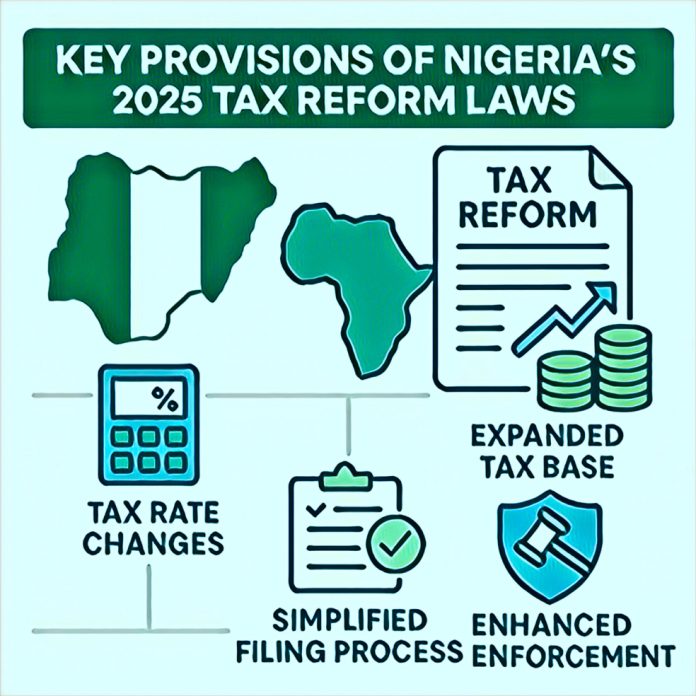
The new tax law Nigeria changes residence and income definitions.
-
The new tax law Nigeria lowers taxes for some earners and raises compliance.
-
The new tax law Nigeria broadens tax base and tightens enforcement.
The government changed the way it handles money after the Tax Act and its related laws were passed in Nigeria. A lot of people are interested in what the changes will mean in real life, so we break down the questions and answers you need.
You could be affected if you make money in Nigeria, whether you live there or not. The law changes the definition of a “resident individual” to include people who are in the country for at least 183 days in a 12-month period or who have strong economic ties to the country.
For people who don’t live in the country, taxes depend on where the work is done, not just where the money is sent. That means that under new rules, Nigeria may be able to tax income from around the world.
People who make less than N800,000 will not have to pay personal income tax starting in 2026, but they will still have to file returns.
The new tax law says Nigeria changes its rules about income
Digital assets, prizes, grants, and stock instruments are all now considered taxable income under the new rules. The law also raises the amount of money that companies don’t have to pay Company Income Tax. Small businesses can now get help, but they have to show that they are eligible.
Also, if a company is not based in Nigeria but has its control or central management there, it may now have to pay taxes on its global income in Nigeria. That is one part of the new, broader definition of a “Nigerian company.”
How the new tax law in Nigeria will make compliance and enforcement easier
Taxpayers now have to file returns even if they don’t make enough money to pay taxes. The reasoning is that the tax authority can make a presumptive assessment if there is no filing.
The new Nigeria Revenue Service (NRS) will take the place of several other agencies and will have more power, such as the ability to do joint audits, share data, and enforce rules automatically.
There are harsher penalties for filing late or not reporting enough. The new government wants to raise Nigeria’s tax-to-GDP ratio above the current level of about 10%.
The new tax law in Nigeria is very important. If you work for yourself, as a freelancer, or from home, you should now assume that you need to report your income. It’s clear to businesses that their tax strategy needs to fit with the new framework. And for the government, this is a step towards fiscal governance that meets global standards.
If you understand these changes early, you’ll have an edge over others, whether you’re a person with a small income or a multinational company doing business across borders. The clock is ticking down to the date in January 2026 when it will go into effect.

