

KEY POINTS
- NIPCO to buy 19 percent of Savannah Energy for £28.7m.
- The deal strengthens the Kansagra family’s gas exposure.
- Expansion aligns with Nigeria’s gas utilization drive.
The wealthy Kansagra family’s Nigerian downstream company, NIPCO Plc, plans to acquire about 19 percent of London-listed Savannah Energy Plc.
The deal marks a major expansion of the family’s footprint in West Africa’s energy sector. Savannah said the investment includes both a primary subscription and secondary market purchases valued at about £28.7 million, giving NIPCO roughly 19.4 percent of the enlarged share capital once the transaction is completed.
The move comes as Savannah prioritizes Nigerian gas development through its Accugas midstream unit, which supplies a large share of gas to Nigeria’s thermal power plants via a 200 MMscf/d processing plant and 260 km pipeline network.
Kansagra family eyes growth in domestic gas value chain
Furthermore, by acquiring a strategic stake, NIPCO and the Kansagra family gain exposure to Nigeria’s upstream-to-midstream gas cash flows, a key opportunity as the government ramps up domestic gas utilization.
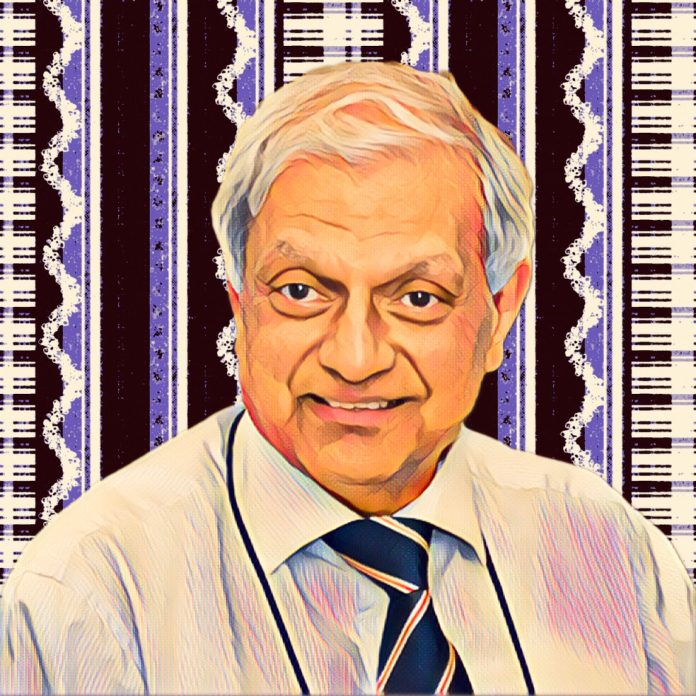
Purebond Ltd, an investment firm run by Ramesh Shantilal Kansagra and his family, controls NIPCO. UK filings and company documents show that Solai Holdings, the Kansagra family’s primary holding vehicle, wholly owns Purebond.
The family, long known for its strong presence in Nigeria’s oil and gas downstream sector, also holds significant interests in 11 Plc (formerly Mobil Oil Nigeria).
Kansagra portfolio expands beyond fuel into hospitality
Beyond fuel and gas, the Kansagra family has also diversified into hospitality and mining. In 2022, its vehicle, 22 Hospitality Ltd, acquired a 66.13 percent controlling interest in Capital Hotels Plc, owner of the former Sheraton Abuja, now rebranded as the Abuja Continental Hotel.
Following that deal Billionaire Africa reports that Ramesh Kansagra became chairman of Capital Hotels and reconstituted the board to include family members. The family also owns Kavango Resources Plc, a metals and gold exploration company operating across Southern Africa.

