

Key Points
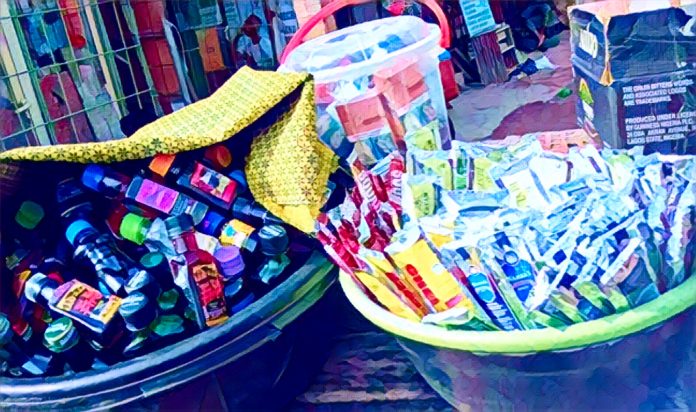
- Nigeria bans alcohol in sachets and bottles below 200ml.
- Full enforcement starts in January 2026 after a five-year phase-out.
- NAFDAC strengthens monitoring with 1,000 new staff.
The Federal Government has banned the production, sale, and distribution of alcohol packaged in sachets and bottles smaller than 200 millilitres. The decision aims to reduce alcohol abuse and protect public health.
The National Agency for Food and Drug Administration and Control announced that full enforcement will begin on January 1, 2026.
NAFDAC Director General Mojisola Adeyeye said the move followed a Senate resolution and a directive from the Ministry of Health and Social Welfare.
She explained that the policy protects children, teenagers, and young adults from the harmful effects of alcohol.
Government Plans Stronger Enforcement
Adeyeye revealed that the government will recruit 1,000 new NAFDAC staff in December. The goal is to improve monitoring and enforcement across the country.
“This action shows our duty to protect Nigerians from the health and social dangers of alcohol misuse,” she said.
“Sachets and small bottles make alcohol cheap and easy to hide. That makes it more likely to be abused, especially by minors and drivers.”
She described the ban as a preventive measure supported by scientific evidence and international health standards.
Rising Public Health and Safety Concerns
Adeyeye warned that drinks with high alcohol content in small packs are fueling addiction and crime.
She said early exposure to alcohol among youths often leads to substance abuse and violence.
“This problem contributes to road accidents, domestic violence, and school dropouts,” she said. “We must protect the health and future of young Nigerians.”
Five-Year Transition Period Ends Soon
Adeyeye recalled that in 2018, NAFDAC and the Ministry of Health signed a five-year deal with manufacturers to phase out sachet and small-bottle packaging by January 2024.
That deadline was later moved to December 2025 to give producers time to adjust.
The new Senate resolution confirms the earlier plan and aligns with Nigeria’s commitment to the World Health Organization’s strategy on reducing harmful alcohol use.
No More Extensions
Adeyeye urged manufacturers, distributors, and retailers to comply with the rule before the 2025 deadline.
“There will be no more extensions,” she said. “We must all act together to protect our nation’s health.”
NAFDAC will continue working with the Ministry of Health, the Consumer Protection Commission, and the National Orientation Agency to raise awareness about alcohol misuse.

