

KEY POINTS
- Cutting post-harvest waste can protect billions in annual agricultural value.
- Stronger storage and logistics systems can reduce crop losses nationwide.
- Expanding processing capacity can stabilise food supply and support farmers.
Agriculture entrepreneur and Davidorlar Nigeria Ltd. CEO, Segun Alabi, is renewing pressure on policymakers to confront the scale of Nigeria’s post-harvest losses, warning that the country loses between $9 billion and $10 billion in agricultural produce every year.
He delivered the warning in Abuja during an interactive meeting with House of Representatives correspondents. The session focused on how waste at farms, markets, and transit points is eroding national output at a time when food prices are rising, and household budgets are strained.
Nigeria’s post-harvest waste crisis
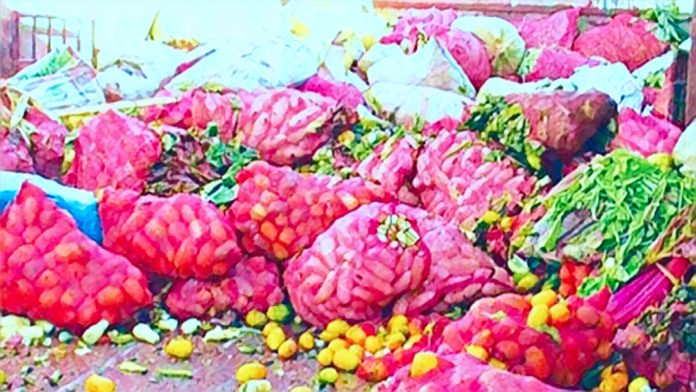
Alabi said current reviews suggest that Nigeria loses 30–50 percent of its yearly harvest. He listed fruits, vegetables, grains and other perishables as the most vulnerable crops. Farmers struggle with poor harvesting practices, weak storage options, and unreliable transport systems that leave produce exposed to heat and delay. He said these problems reduce farmer income, distort supply chains, and weaken efforts to stabilise food availability across the country.
He added that Nigeria, despite being a leading agricultural producer in Africa, still contends with waste levels that strip billions of dollars in value before goods reach buyers. He said the situation affects livelihoods, shrinks food volumes, and holds back wider economic activity. His call focused on strengthening the federal ministries of Agriculture and Food Security, and Environment, urging them to coordinate fresh interventions.
He encouraged the adoption of better storage and processing facilities. These include cold-chain networks, silos, and decentralised processing centres that can extend the life span of perishable crops while improving value addition. He said upgraded rural roads and stronger logistics systems are central to moving produce out of farms quickly.
He also called for regular training for farmers on harvesting, handling and storage. He said affordable technologies, including solar dryers and mobile processing units, can improve preservation. He argued that government policies should encourage private-sector investment in agro-processing and waste-reduction projects.
Cutting post-harvest waste
According to Punch, Alabi said cutting waste opens fresh economic opportunities. He pointed to the use of agricultural residue for animal feed, bioenergy, bioplastics and organic fertilisers. He described these value chains as emerging industries that can boost incomes and support innovation.
Nigeria’s post-harvest problem remains one of the most long-standing challenges in the food sector. Fruits and vegetables record some of the highest loss rates. Many never make it to markets due to harvesting delays, poor sorting, rough transportation on broken roads, and storage conditions that fail to maintain temperature or humidity.
The losses also reflect a shortage of cold-chain equipment and the small number of processing plants available to absorb surplus crops. Producers often face gluts in peak seasons and are forced to sell cheaply or discard produce that cannot be moved in time.
The financial impact is significant. The value of wasted fruits and vegetables alone runs into billions of dollars every year. The broader fallout affects food security, nutrition and rural earnings. Nigeria continues to face elevated food prices even as large volumes of local produce spoil. Improving storage, processing and market links is critical to reducing waste and unlocking the full potential of the agricultural sector.

