

KEY POINTS
-
The Senate has confirmed 64 career and non-career ambassadorial nominees submitted by President Tinubu
-
Lawmakers raised concerns about the absence of nominees from Zamfara State, with assurances that more names will follow
-
The nominations have drawn mixed reactions, with critics questioning the screening process and the suitability of some appointees
Nigeria’s Senate has confirmed 64 nominees for ambassadorial appointments, clearing the way for a new cohort of career and non-career envoys to take up postings abroad as President Bola Tinubu moves to refresh the country’s diplomatic representation.
The confirmation followed the consideration and adoption of a report by the Senate Committee on Foreign Affairs, which conducted the screening of the nominees after the President submitted a fresh list late last month.
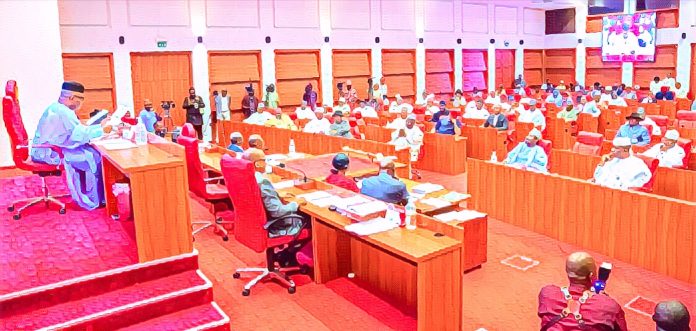
Lawmakers approved the appointments during plenary after the committee’s chairman, Senator Sani Bello, presented its findings to the chamber.
Concerns over regional gaps emerge
The session was not without controversy, as questions were raised about regional balance in the nominations.
Senator Sahabi Yau drew the attention of the Senate to the absence of any nominee from Zamfara State, urging that the omission be formally communicated to the President.
Responding, Senate President assured lawmakers that the list before the chamber was not exhaustive and that further nominations were expected. He said the issue would be raised directly with President Tinubu and gave assurances that Zamfara would not be excluded from subsequent ambassadorial appointments.
The President had earlier, on December 4, asked the Senate to confirm 65 ambassadorial nominees, comprising 34 career diplomats and 31 non-career appointees designated as ambassadors and high commissioners. The request was read on the floor of the Senate, after which the names were referred to the foreign affairs committee for screening.
With three nominees already screened and confirmed prior to the latest list, the total number of ambassadorial candidates considered by the Senate stood at 68.
The non-career list features several high-profile political figures, including a former chairman of the Independent National Electoral Commission, Mahmood Yakubu; former aviation minister Femi Fani-Kayode; former Abia State governor Okezie Ikpeazu; and former presidential aide Reno Omokri.
Others on the list include Senator Ita Enang, former Enugu State governor Ifeanyi Ugwuanyi, Chioma Ohakim, Bello Danbazau, retired Vice Admiral Ibok Ete and Senator Jimoh Ibrahim, among others.
The nominations have attracted mixed reactions from political and professional circles. Critics have questioned the suitability of some appointees for diplomatic roles, with a former permanent secretary in the Ministry of Foreign Affairs, Joe Keshi, saying some nominees did not meet the standards expected of Nigeria’s diplomatic service.
Concerns were also raised over the depth of the Senate’s screening process. Afam Osigwe, president of the Nigerian Bar Association, criticised what he described as a “bow and go” approach by lawmakers during the confirmation hearings.
The presidency has, however, defended the selections. Ademola Oshodi, senior special assistant to the President on foreign affairs and protocol, said the nominees reflected the President’s judgment of who could best advance Nigeria’s interests abroad, adding that the success of the appointments would ultimately be measured by their performance.

