

Key Points
-
Nigerian foreign exchange market recorded N11 naira gain.
-
Improved dollar supply eased trading pressure.
-
Policy clarity supported currency sentiment.
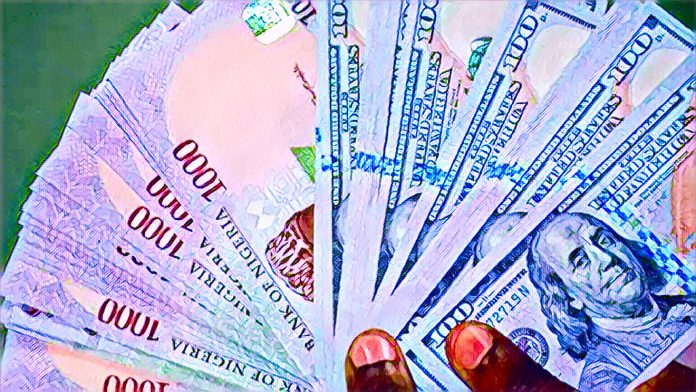
Last week, the Nigerian naira got stronger against the US dollar. This was because the Central Bank of Nigeria was still active in the official foreign exchange market, which made traders and investors more confident. By the end of trading, the currency had gained N11.04 per dollar at the Nigerian Foreign Exchange Market. This was due to continued intervention and more stable market conditions.
Dealers said that the actions of the central bank helped reduce volatility and support price discovery, making the naira trade in a narrower and more predictable range. People in the market said that sentiment was cautiously optimistic, pointing out that the recent pattern of intervention has lowered panic demand and speculative pressure.
CBN intervention stabilises naira trading
The naira traded between N1,431 and N1,466 per dollar over the course of the week, and it went up in value in all three trading sessions. Traders who know about the transactions say that the spot rate went up a lot after the central bank put about $150 million into the market.
Banks said that there were more dollars available, which helped importers and manufacturers who were behind on their payments. Analysts said that the intervention showed that the government was serious about stabilising the currency, even though bigger changes are still happening in Nigeria’s foreign exchange system. There are more and more signs that the exchange rate might stay stable in the near future if inflows stay strong and policy signals stay the same.
Prices of oil go up because there are still risks to supply
Global oil prices also helped. Brent crude futures for delivery in February settled at $62.24 per barrel, a 1.83 percent increase from the week before. US benchmark West Texas Intermediate closed at $58.38 per barrel, a 1.64 percent increase over the same time period.
Prices went down a little in the middle of the week as investors thought about the US economy’s growth prospects. However, worries about possible supply problems from Venezuela and Russia kept the market strong. Analysts said that strong oil prices could help Nigeria’s external receipts, which would indirectly help foreign exchange inflows and fiscal buffers.
After a big rise, precious metals are going down
Prices of gold fell slightly on Wednesday in the precious metals market after briefly going above $4,500 per ounce earlier in the session. Spot gold still went up 4.12 percent over the week, ending at $4,479.64 per ounce, even though it fell back. Silver and platinum also lost some of their gains after a record-breaking rally earlier in the week.
Market analysts think that the risk-on mood will last into the next week, which will keep demand for precious metals strong along with oil prices. Strong US growth data and ongoing geopolitical supply risks are still the main factors affecting global commodity markets. Investors are also keeping an eye on central bank signals to see where currencies and assets are headed.

