

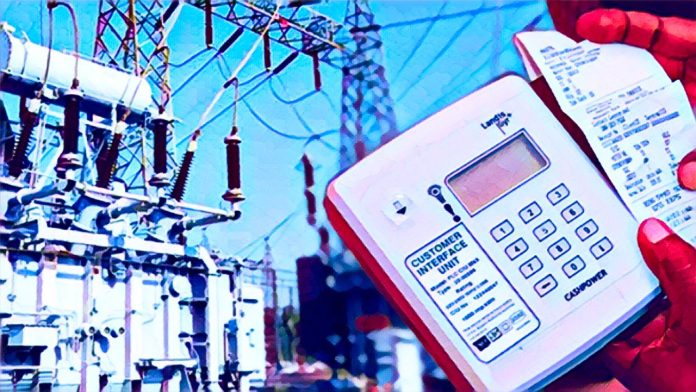
Key Points
-
NERC reports that 5.36 million electricity customers still have no meters, relying on estimated bills.
-
MAP and other programs installed 228,614 meters in Q3 2025, but progress remains uneven.
-
Over half of Nigerian electricity users remain unmetered, causing disputes and trust issues with distribution companies.
The Nigerian Electricity Regulatory Commission (NERC) says more than 5.36 million electricity customers across the country still do not have meters.
This means they get bills based on estimates, which often sparks arguments with electricity companies.
According to NERC’s third-quarter 2025 report, published on its website, only 6.66 million of the 12.03 million registered customers have meters. That is just over half of all electricity users.
Slow Progress Across the Country
In the third quarter, 228,614 new meters were installed. Ibadan, Aba, and Abuja recorded the largest numbers, accounting for roughly a quarter, a fifth, and a fifth of all new meters, respectively.
Still, progress is uneven. Nine electricity companies actually installed fewer meters than the previous quarter.
Port Harcourt and Jos saw the sharpest drops. Meanwhile, Aba, Abuja, and Ibadan made noticeable gains.
Different Programs, Different Results
Most of the new meters—176,302—were installed under the Meter Asset Provider (MAP) program.
Others came from the Vendor-Financed program, the Distribution Sector Recovery Programme (DISREP), the Meter Acquisition Fund (MAF), or were financed directly by DisCos.
MAP installations alone went up by 18 per cent from the previous quarter. Ibadan, Abuja, and Benin led the numbers.
Without meters, people often pay for electricity they did not use. NERC says expanding meters is key to fair billing and rebuilding trust between customers and electricity companies.
Without meters, people cannot check their actual electricity use. Bills based on estimates often feel unfair. Installing more meters is essential to make billing fair and restore trust in the system.

