

Key Points
-
Local refineries supplied 87 percent of Nigeria’s cooking gas in 2025.
-
Imports dropped sharply, saving foreign exchange for the country.
-
Dangote Refinery and NLNG led the rise in local gas supply.
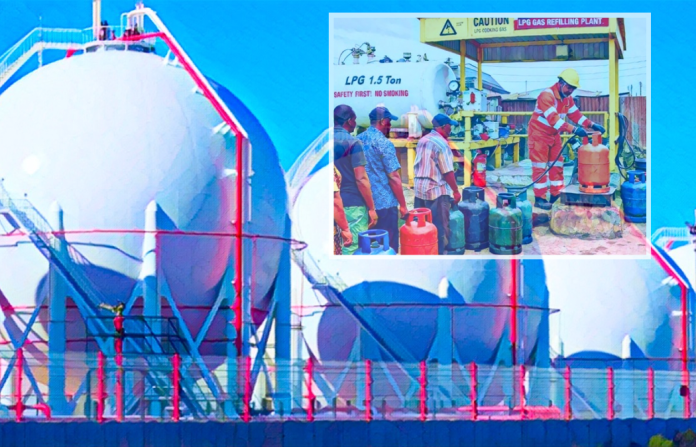
Local refineries and gas plants supplied most of Nigeria’s cooking gas in 2025. About 87 percent of the gas used in homes came from inside the country. This reduced Nigeria’s need to import cooking gas from abroad.
Big players like the Dangote Petroleum Refinery and Nigeria LNG led the supply. Other local gas plants also added to the increase.
Big Shift From Imports To Local Supply
This marks a major change from 2023. Back then, nearly half of Nigeria’s cooking gas came from imports.
Data from the Nigerian Midstream and Downstream Petroleum Regulatory Authority showed that Nigeria used 52,900 metric tonnes of cooking gas in 2025.
Out of this, 45,800 metric tonnes came from local sources. Only 7,100 metric tonnes were imported.
Because of this shift, gas imports have dropped. This has helped reduce pressure on foreign exchange and made gas supply more stable.
Local Production Keeps Supply Steady
Experts acknowledged that local production has helped keep cooking gas available, even as more people now use it.
The National Bureau of Statistics also confirmed the trend. It reported higher local gas output and lower imports over time.
The agency linked this growth to better refining capacity and government policies that support local production.
What Experts Are Saying
Energy experts claimed this shows the benefit of processing oil and gas inside Nigeria instead of exporting crude and importing finished products.
Prof. Wumi Iledare said the 2025 result proves that more value is created when Nigeria processes its own resources.
He added that local processing helps save foreign exchange, create jobs, improve energy security, and grow the economy.
The head of the Oil and Gas Services Providers Association of Nigeria, Colman Obasi, also welcomed the progress. He said local gas supply strengthens the economy and reduces waste of foreign exchange.
Another analyst praised local companies for cutting gas flaring and pushing Nigeria closer to full local supply of cooking gas.
Experts said Nigeria still needs better gas storage and distribution so households can enjoy lower prices and easier access.
With more projects coming up, industry players believe Nigeria could soon supply all its cooking gas needs locally and stop imports completely.

