

Key Points
- PAN calls 4.3% health budget too low, risking children’s well-being.
- Urgent medical care demanded for Ogijo lead poisoning victims.
- Experts push innovative funding and technology to reduce child deaths.
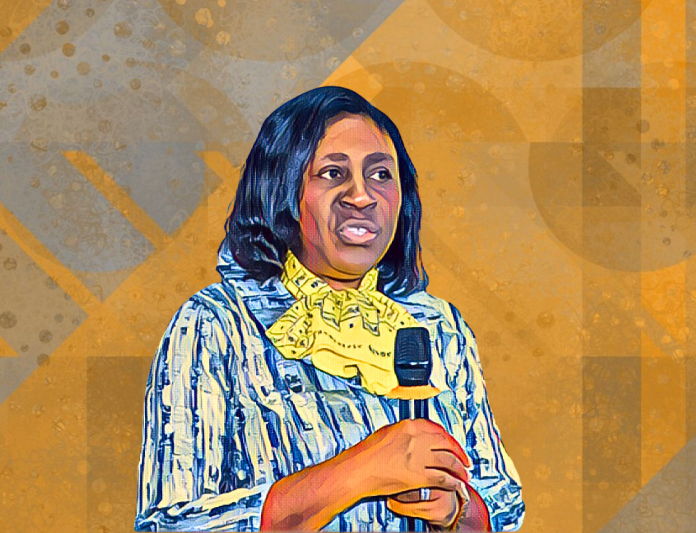
The President of the Paediatricians Association of Nigeria (PAN), Dr Ekanem Ekure, criticised the 4.3% allocation to health in the 2026 budget.
She said it shows the government is not investing enough in Nigerian children’s health and future.
Ekure also called for urgent medical help for victims of the Ogijo lead poisoning crisis linked to recycled battery factories, which mostly affected children.
She said stronger rules and national action are needed to protect vulnerable kids.
She made the comments at PAN’s 57th Annual General Meeting and Scientific Conference in Abeokuta. The theme was “Achieving SDG-3 and Child Health Care through Innovative Funding Models and Technology-Driven Solutions.”
Child Health Challenges
Ekure said Nigeria still struggles with preventable childhood diseases and deaths. Neonatal and under-five death rates remain high, at 41 and 110 per 1,000 live births.
Malnutrition, low immunisation, and poor access to quality child healthcare are common problems.
She noted that the Ogijo lead poisoning crisis in Ogun State is still a big concern. While the harmful factories were shut down, she demanded full medical help, regulation enforcement, and national action to protect children.
She added that children across the country continue to face abuse, including kidnappings from schools and markets, especially in northern Nigeria.
Poverty, conflict, insecurity, climate change, and new health threats make the problem worse.
SDG-3 and the Urgent Need for Action
Ekure said the global goal SDG-3 aims to ensure healthy lives and end preventable child deaths. Nigeria’s policies support this goal, but the country is still off track. She said achieving SDG-3 by 2030 will need faster action, more funding, and new approaches.
She criticised the 4.3% health budget, far below the 15% target in the Abuja Declaration, as poor prioritisation of child health.
She called for innovative funding, including public-private partnerships, blended financing, and linking funds to verified results.
Technology and Partnerships for Child Health
Ekure urged using technology to improve immunisation tracking, disease monitoring, and access to healthcare through telemedicine and digital platforms.
She said PAN will continue to build partnerships that turn knowledge into action and policies into real improvements for children’s health.
She asked the Federal Government to show strong political will and treat child health as a national priority, not just a sectoral issue.
She also called on state governments to increase health spending, especially for child health, including immunisation, nutrition, primary healthcare, and maternal care.
She said investing in child health is a cost-effective way to improve the country’s social and economic future.
Government Responds
The Minister of State for Health, Dr Isiaq Salako, represented by Dr Omokore Oluseyi, said the government is working to reduce child deaths.
The National Child Survival Action Plan focuses on newborn care, nutrition, and community health management.
Salako said the ministry is using technology to improve real-time diagnosis, referrals, and data collection. Nigeria accounts for over 17% of global under-five deaths, with preventable causes like prematurity, malaria, pneumonia, and malnutrition.
He asked stakeholders to support these plans and help solve problems in newborn care, nutrition, and digital health.
Experts Stress Innovation and Technology
In his keynote, Prof Olugbenga Mokolu, a paediatrics professor and malaria adviser, said innovative funding and using technology are key to achieving SDG goals and lowering child death rates.

