

KEY POINTS
- Senate set up a panel on the Electoral Act amendment bill.
- Committee has 48 hours to submit recommendations.
- Proposed changes tighten spending limits and penalties.
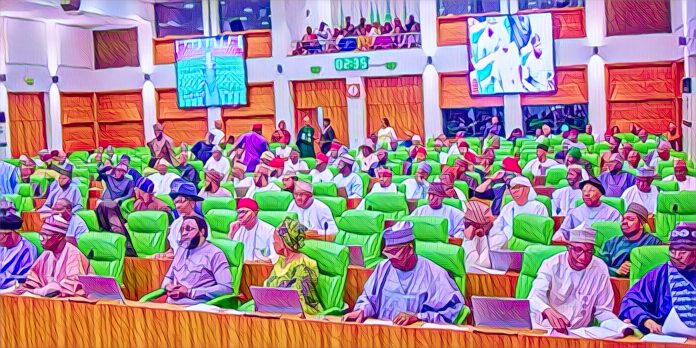
Nigeria’s Senate has constituted an ad hoc committee to collate and streamline lawmakers’ positions on proposed changes to the Electoral Act, a move aimed at speeding up deliberations on reforms ahead of further legislative action.
Senate President Godswill Akpabio announced the panel’s formation on Wednesday following a closed session that ran for about two hours. The meeting allowed senators to review proposed amendments and supporting documents on the Electoral Act, 2022 (Repeal and Enactment) Bill before resuming open debate.
Akpabio said the committee would consolidate contributions from across the chamber and present a harmonised report at plenary on Tuesday next week, giving lawmakers a clearer basis for final consideration.
Senate reviews Electoral Act amendment bill
The ad hoc committee is chaired by Senator Adeniyi Adegbonmire of Ondo Central, with members drawn across party lines. They include Senators Adamu Aliero, Aminu Tambuwal, Adams Oshiomhole, Danjuma Goje, Tony Nwoye and Titus Zam. The Clerk of the Senate, Emmanuel Odo, will serve as secretary.
The panel has 48 hours to complete its assignment. Its work follows initial consideration, during the executive session, of the report of the Senate Committee on Electoral Matters on the Electoral Act amendment bill, presented by its chairman, Senator Simon Lalong.
According to Akpabio, the closed session was convened to give senators room to examine the proposed changes in detail before engaging in further legislative debate. He said the smaller committee would “galvanise and distill” all views and return with recommendations for final deliberation.
Key proposals in Electoral Act amendment bill
Documents reviewed by senators highlight several proposed innovations in the bill. These include stricter limits on campaign spending by candidates and political parties, with amendments to Sections 93 and 94 introducing higher expenditure ceilings and tighter controls.
The bill also proposes tougher penalties for electoral offences. Fines for buying or selling voters’ cards would rise to between N500,000 and N5 million, alongside a 10-year ban from contesting elections. Punishment for offences related to nomination would increase from N50 million to N75 million.
Furthermore, other amendments include the mandatory use of the National Identification Number for continuous voter registration to curb illegal registrations, stiffer sanctions for unqualified candidates presenting themselves to parties, and an extension of the inspection period for electoral materials from 20 to 60 days. Candidates would also gain clearer authority to appoint polling agents in consultation with their parties.

