

KEY POINTS
-
Nigeria signs MOU with South Korea’s AEDC to establish Africa’s first EV manufacturing plant, including nationwide charging infrastructure.
-
The phased project aims to produce 300,000 vehicles and create around 10,000 jobs, promoting technology transfer and investment.
-
EV adoption aligns with Nigeria’s Energy Transition Plan, targeting 100 per cent transition by 2060, with Lagos aiming for 2050.
The Federal Government of Nigeria has taken a major step towards transforming the country’s automotive sector, signing a Memorandum of Understanding (MoU) with South Korea’s Asia Economic Development Committee, AEDC, to establish Africa’s first electric vehicle (EV) manufacturing plant.
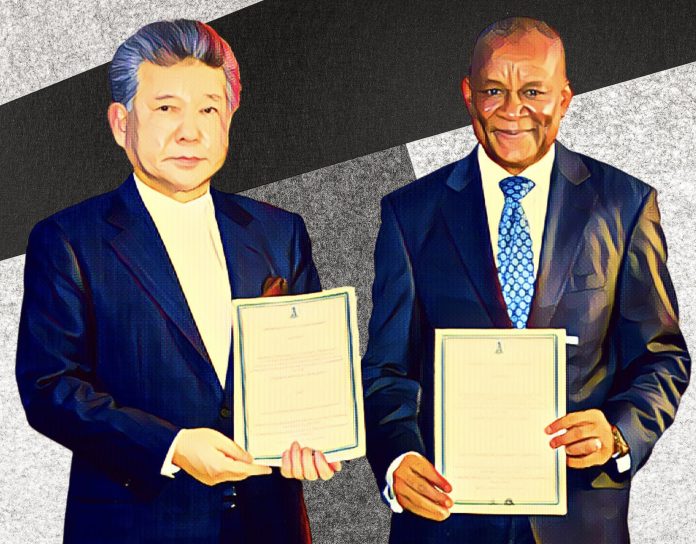
The signing, which took place on 30 January 2026, was conducted by the Minister of State for Industry, Senator John Enoh, on behalf of Nigeria, while AEDC Chairman Yoon Suk-hun signed for the South Korean organisation.
According to the National Automotive Design and Development Council (NADDC), this collaboration aligns with Nigeria’s National Energy Transition Plan (ETP) and National Automotive Industry Development Plan (NAIDP), aiming to develop both EV manufacturing and nationwide charging infrastructure.
Phased Implementation and Economic Impact
The project will be implemented in stages, starting with EV assembly and eventually moving to full local manufacturing. It is expected to have a production capacity of 300,000 vehicles and create approximately 10,000 jobs across the country.
NADDC Director-General Otunba Oluwemimo Joseph Osanipin, represented at the signing by the agency’s Head of Policy, Planning and Statistics, Mr Nura Sidi, highlighted that the initiative will accelerate technology transfer, human capital development, investment promotion, and innovation in automotive design and research.
The government’s push for EVs is part of a broader vision for sustainable transportation in Nigeria. Despite challenges such as electricity supply and road infrastructure, there has been growing interest in EV adoption, with previous MOUs signed with Israeli, Japanese, and Chinese firms to kick-start local EV assembly and manufacturing.
The Energy Transition Plan targets a 100 per cent transition to electric vehicles by 2060, with Lagos State aiming for full adoption by 2050.

