

KEY POINTS
-
President Tinubu has vowed to defeat terrorism and banditry, describing insecurity as unacceptable and a major economic obstacle.
-
Security, economic reforms, and implementation of the Renewed Hope Plan dominated discussions at the NEC Conference.
-
Governors, the private sector, and development partners pledged support for reforms and Nigeria’s $1 trillion economy ambition.
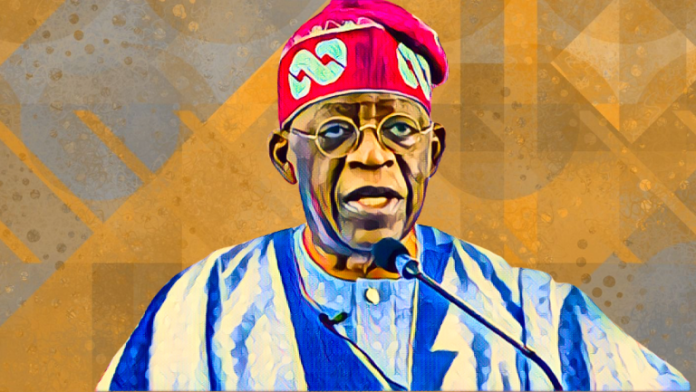
President Bola Tinubu has vowed to decisively defeat terrorism and banditry in Nigeria, describing the twin threats as unacceptable and alien to the country’s values and culture.
President Tinubu made the declaration on Monday while opening the second National Economic Council (NEC) Conference at the State House Conference Centre, Presidential Villa, Abuja.
Addressing governors, ministers, and development partners, Tinubu stressed that security remains a non-negotiable foundation for Nigeria’s economic transformation. The conference was held under the theme, “Delivering Inclusive Growth and Sustainable National Development: The Renewed Hope National Development Plan (2026–2030).”
According to the president, the persistence of terrorism and banditry continues to deprive Nigerians of sleep, safety, and economic opportunities, insisting that his administration is determined to confront the threats head-on
Tinubu linked national security directly to economic prosperity, warning that insecurity has become a major hindrance to growth, investment, and development. He said the federal government would continue to strengthen the capacity of security agencies through improved intelligence gathering, modern equipment, and training.
He also called for coordinated action across federal, state, and local governments, noting that defeating terrorism requires collective responsibility. The president commended governors, particularly those from Borno and Kaduna states, for their frontline efforts in combating insecurity and safeguarding lives and property.
Renewed Hope Plan focuses on reforms, diversification
Placing the security push within the broader economic reform agenda, Tinubu highlighted what he described as early macroeconomic gains, including a more stable exchange rate, moderating inflation, and increased federal allocations to states. He attributed some of the improvements to reforms under Central Bank Governor Olayemi Cardoso.
The president outlined key pillars of the Renewed Hope National Development Plan, including economic diversification, agricultural mechanisation, and the establishment of new mechanisation zones for crop and livestock production. He urged NEC members to move beyond policy declarations and focus on concrete implementation.
In his keynote address, Vice President Kashim Shettima described the National Economic Council as the engine room for consensus-building and coordinated national action. He said NEC’s strength lies not in uniform agreement but in robust debate and the quality of ideas generated during deliberations.
Shettima praised Tinubu’s economic reforms, noting that they were designed to insulate Nigeria from global shocks, geopolitical tensions, and rising protectionism. He called for inclusive growth that ensures equal opportunities for Nigerians regardless of location and urged NEC members to translate resolutions into legislative and executive action.
The vice president also led a minute of silence for victims of insecurity across the country and paid tribute to the armed forces for their sacrifices.
Minister of Budget and Economic Planning, Atiku Bagudu, described NEC as a critical constitutional body that gives voice to all federating units and builds confidence in governance. He praised Tinubu for regularly attending NEC meetings, describing it as a demonstration of respect for Nigeria’s federal structure.
Bagudu cited positive international feedback on Nigeria’s reforms, referencing commendations from the World Bank, the International Monetary Fund, and The Economist. He, however, stressed that sustaining momentum requires effective implementation, poverty reduction, and coordinated action across all tiers of government.
Chairman of the Nigerian Governors’ Forum and Kwara State Governor, AbdulRahman AbdulRazaq, represented by Ogun State Governor Dapo Abiodun, emphasised the central role of states in Nigeria’s economic reset. He said fiscal federalism and intergovernmental cooperation are essential for inclusive growth, competitiveness, and social stability.

