

KEY POINTS
- Elumelu says Tinubu’s reforms and central bank policies have effectively ended Nigeria’s foreign exchange scarcity.
- The President is prioritizing payment of power sector debts to boost electricity generation and economic growth.
- Government plans to support SMEs through tax reforms and expanded development financing.
The Chairman of Heirs Holdings, Tony Elumelu, has commended the economic reforms of President Bola Tinubu, declaring that Nigeria has effectively moved past the era of foreign exchange scarcity.
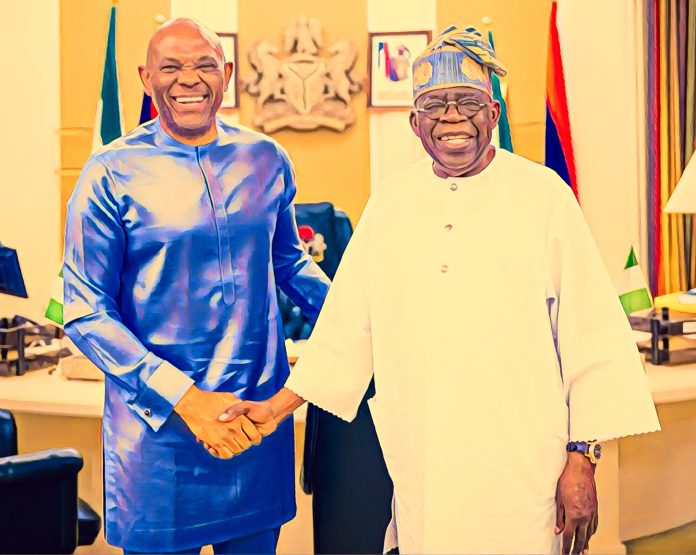
Speaking to journalists after a high-level meeting with the President at the State House in Abuja, Elumelu said recent monetary policy actions have restored confidence, predictability, and stability to Nigeria’s financial environment.
According to him, the shift is evident in day-to-day business interactions, noting that requests for foreign exchange, once the dominant concern among investors and banking clients have virtually disappeared.
He credited the progress to the work of the Central Bank of Nigeria leadership, whom he said have been given the necessary operational independence by the administration to implement reforms effectively.
FX Market Stability Signals Economic Turning Point
Elumelu explained that during the peak of Nigeria’s foreign exchange constraints, most inquiries he received in his capacity as a banking executive revolved around how to obtain FX. Now, he said, the situation has changed dramatically.
He described the transformation as a sign that monetary policy direction has become clearer and more reliable, allowing entrepreneurs and investors to plan with greater certainty.
This predictability, he stressed, is essential for business expansion, investment inflows, and long-term economic growth.
The business leader also revealed that discussions with the President focused heavily on Nigeria’s electricity challenges.
He said Tinubu is committed to accelerating the payment of outstanding debts owed to power-generating companies so they can expand capacity and improve supply nationwide.
Elumelu pointed out that many firms in the power sector are owed substantial sums but continue to generate electricity despite delayed payments.
Settling these obligations, he argued, would unlock more investment, improve output, and strengthen the country’s industrial base.

