

KEY POINTS
-
The Senate has told the North Central Development Commission to prioritise agriculture and security in its 2026 spending.
-
Lawmakers approved a 140 billion naira budget after reviewing the commission’s plans.
-
The committee criticised weak capital project implementation in 2025 and urged better execution this year.
The Nigerian Senate has instructed the North Central Development Commission to prioritise investments in agriculture and security as it implements its 2026 budget.
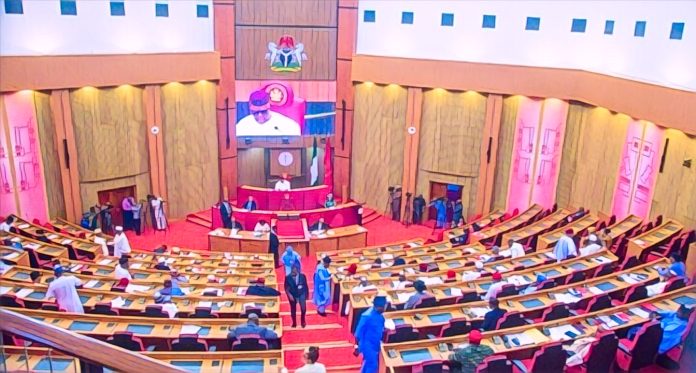
The directive was issued by Titus Zam, chairman of the Senate committee overseeing the commission, after its management team appeared before lawmakers to defend its spending estimates for the coming fiscal year.
At the start of the session, the committee held a closed-door meeting to examine the commission’s financial projections and proposed programmes. Following deliberations, Zam said the panel found the budget items relevant to the development needs of the north-central region.
He noted that the commission’s mandate requires it to address key sectors critical to regional growth, including agriculture, security, health, education, infrastructure, and social services. According to him, spending must be aligned with these priorities to ensure residents benefit directly from public funds.
Committee approves 140 billion naira allocation
The committee approved a total budget estimate of 140 billion naira for the commission’s 2026 financial year. Zam said lawmakers endorsed the figure after reviewing the proposal and determining that the allocation could support development objectives across the region.
He stressed that agriculture must remain central to the commission’s programmes because the north-central zone is predominantly agrarian, making farm productivity and rural development vital to economic stability.
Security also ranked high on the committee’s priority list. Zam said the commission plans to collaborate with security experts and regional stakeholders to support law enforcement agencies and strengthen safety across the zone.
Despite approving the new budget, the committee expressed dissatisfaction with the implementation of the capital component of the commission’s 2025 budget. Zam explained that the challenge was not unique to the agency, noting that many public institutions faced similar implementation constraints nationwide last year.
He urged the commission to improve execution in 2026 so that allocated funds translate into tangible projects and measurable impact for communities across the north-central region.

