

KEY POINTS
- Igbo language extinction risk sparks alarm.
- IWA to host 2026 Mother Tongue Day in Awka.
- Families urged to teach Igbo at home and abroad.
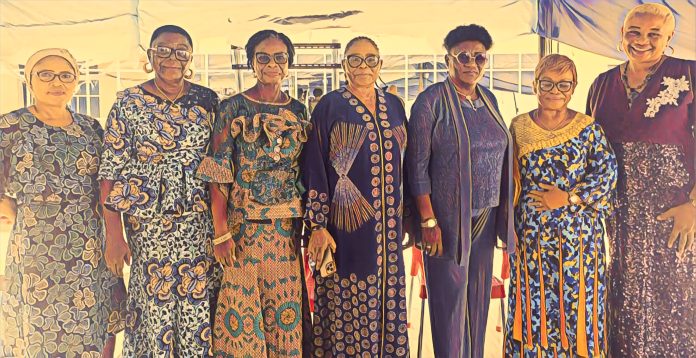
Igbo women under the umbrella of the Igbo Women Assembly (IWA) have warned that the Igbo language faces extinction if urgent steps are not taken to reverse its declining use among younger generations.
The group said it would host the 2026 Mother Tongue Day celebration at Nnamdi Azikiwe University, Awka, Anambra State, from Feb. 20 to 21, as part of efforts to revive interest in indigenous language and culture.
In a statement signed by National President Lolo Nneka Chimezie, the IWA said the growing preference for English and other foreign languages among Igbo youths threatens cultural identity and cohesion. “Once we lose our language, we lose our identity,” the statement said, while warning that the Igbo race could gradually disappear without deliberate preservation efforts.
Igbo Language Extinction Risk Highlighted
The IWA said the Igbo language extinction risk has become evident even in rural communities, prompting the relocation of the annual celebration from Lagos to the South-East three years ago.
The group further contrasted the situation with other Nigerian ethnic groups, noting that Hausa/Fulani and Yoruba communities continue to speak their native languages openly at home and abroad. “The Igbo easily abandon theirs, this must stop if we want to survive as a people,” the statement said.
Furthermore, the women urged families in Nigeria and the diaspora to teach their children Igbo, stressing that the language remains central to cultural pride and continuity. They commended some Igbo families in China and the United States for actively promoting Igbo language and traditions.
Awka Event to Focus on Preservation
The Awka programme will begin with a symposium at 4:00 p.m. on Feb. 20, featuring lectures and panel discussions on safeguarding the Igbo language. While the main celebration will follow on Feb. 21 as part of the global observance of Mother Tongue Day, marked in collaboration with the United Nations to promote indigenous languages.
Dignitaries expected at the event include Ohanaeze Ndigbo President-General Senator Azu Mbata; former Anambra State Commissioner for Information Professor Stella Okunna; and the traditional ruler of Nri Kingdom, HRM Eze Chukwuemeka Nri (Aka Jiofor Nri).
The IWA said it has sustained advocacy since joining the campaign for language preservation in 2019 and called on traditional rulers, community leaders and opinion leaders across the South-East to support the initiative.

