

KEY POINTS
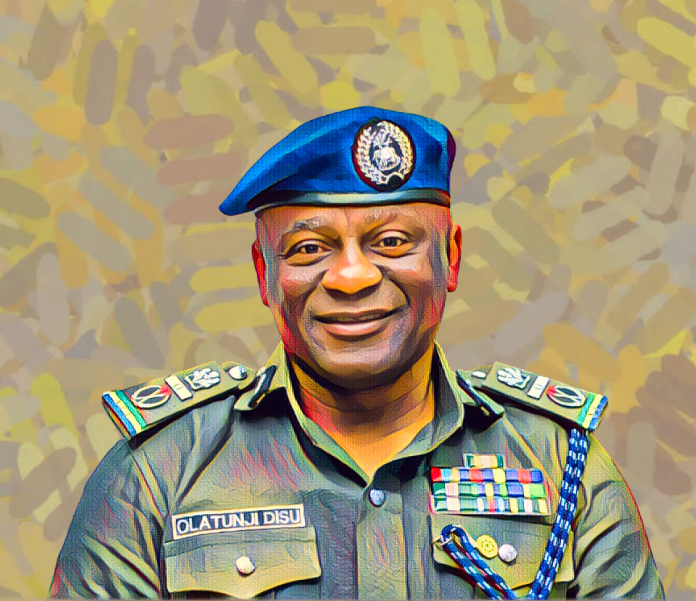
- President Tinubu ordered Kayode Egbetokun to resign as Inspector General of Police and replaced him with Tunji Disu.
- Egbetokun, appointed in 2023, had earlier received a controversial tenure extension beyond retirement age.
- The leadership change may signal a strategic shift in Nigeria’s security and policing direction.
President Bola Tinubu has removed Nigeria’s Inspector General of Police, Kayode Egbetokun, from office following a directive ordering him to resign.
The decision was reportedly communicated during a meeting held at the Presidential Villa in Abuja on Monday, marking a swift and unexpected change in the country’s top policing leadership.
To fill the vacancy, the President appointed Tunji Disu, an Assistant Inspector General of Police, as the new Inspector General.
His elevation signals a new phase for the Nigeria Police Force, with expectations that he will steer reforms, security operations, and administrative direction at a time when national security concerns remain high.
Background to Egbetokun’s Appointment and Tenure
Egbetokun was first appointed as Nigeria’s 22nd Inspector General of Police on June 19, 2023. His appointment was later confirmed by the Nigeria Police Council on October 31, 2023, cementing his leadership role.
At the time of his appointment, he was 58 years old and was expected to retire on September 4, 2024, upon reaching the statutory retirement age of 60.
However, his tenure drew public debate after the President approved an extension beyond the standard retirement timeline, a decision that sparked discussions about legality, precedent, and institutional norms.
The sudden directive for his resignation has generated fresh speculation within political and security circles about the motivations behind the leadership change.
While official reasons for the removal have not been fully disclosed, such high-level reshuffles often signal shifts in policy direction, internal assessments of performance, or strategic repositioning of the security architecture.
Observers note that transitions at the helm of the police force can influence operational priorities, law-enforcement strategy, and public confidence in policing, especially during periods of political and social tension.

