

KEY POINTS
- Dangote Refinery increased its petrol ex-depot price to N1,175 per litre and diesel to N1,620, marking the fourth price adjustment since March 2.
- The new pricing follows a temporary suspension of petrol loading operations, which had triggered speculation of an imminent increase.
- Rising global crude oil prices, with Brent and WTI trading above $100 per barrel, are driving higher domestic fuel costs and may push pump prices upward across Nigeria.
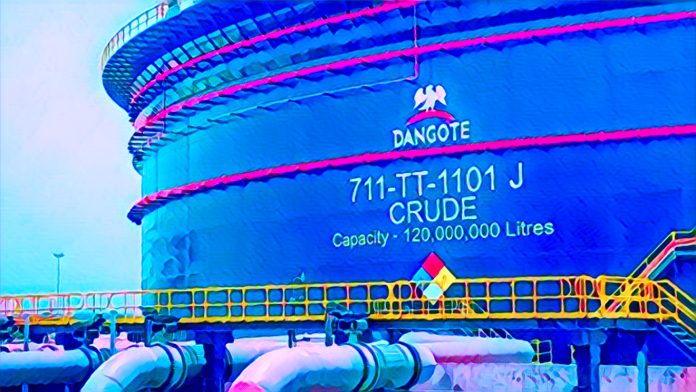
Nigeria’s largest refining facility, the Dangote Petroleum Refinery, has increased its ex-depot price for Premium Motor Spirit (PMS), commonly known as petrol, to N1,175 per litre, while the price of Automotive Gas Oil (AGO), also known as diesel, has risen to N1,620 per litre.
Industry sources confirmed that the new pricing template was formally communicated to petrol marketers on Monday. The adjustment represents the fourth price revision since March 2, reflecting increasing pressure in Nigeria’s downstream petroleum sector.
The refinery’s gantry price, the cost at which marketers purchase fuel directly from the depot, had previously stood at N995 per litre for petrol and N1,430 per litre for diesel, meaning the latest change represents a significant jump in wholesale petrol costs.
Suspension of Loading Operations Triggered Market Speculation
The price adjustment follows a brief suspension of petrol loading operations at the refinery, during which truck-out activities were restricted. The move sparked speculation among marketers and industry players that another upward price review was imminent.
Such operational pauses often precede price changes, as refiners review supply costs and adjust pricing to reflect shifts in the global energy market.
With the new price structure now in place, marketers are expected to revise their own pump prices in response to the higher depot costs.
The price hike on petrol coincides with a sharp rise in international crude oil prices, which has increased production and refining costs globally.
As of 1:00 p.m. West African Time, Brent Crude was trading at approximately $102.8 per barrel, representing a 10.9 percent increase, while West Texas Intermediate (WTI) rose to about $101.0 per barrel, marking an 11.1 percent gain.
Energy analysts say such movements in global crude benchmarks typically translate into higher domestic fuel prices, particularly in markets where pricing is largely influenced by import-parity or international market dynamics.
Market observers note that pricing decisions by the Dangote Petroleum Refinery often serve as a benchmark for depot operators and fuel distributors across Nigeria.
As the country’s largest refining facility and a major supplier to the domestic market, any adjustment in its gantry prices tends to influence fuel pricing at other depots and retail outlets nationwide.

