

KEY POINTS
- Dangote Refinery commits to prioritising Nigeria’s domestic fuel supply.
- Brent crude crossed $100, pushing Nigerian pump prices up 20 percent in a week.
- The refinery only receives five of the 13 crude cargoes it needs monthly from NNPC.
Dangote Refinery Managing Director David Bird told a press conference in Lagos that the facility would prioritise Nigeria’s domestic market as the Middle East war pushed Brent crude above $100 a barrel and pump prices across the country hit record highs. But Bird was clear about what the pledge depended on.
“Provided we continue to get access to Nigerian crude with the support of the Nigerian government and NNPC, we will continue to process that oil and serve the domestic market with priority,” he said.
The Dangote refinery Nigeria fuel supply commitment lands at a difficult moment. Petrol prices have already climbed roughly 20 percent in the space of a week, with pump prices in parts of the country crossing N1,200 per litre. That compares with N830 in Lagos just days earlier and N195 at the start of 2023 before President Bola Tinubu removed fuel subsidies.
The Crude Supply Gap Is the Real Problem
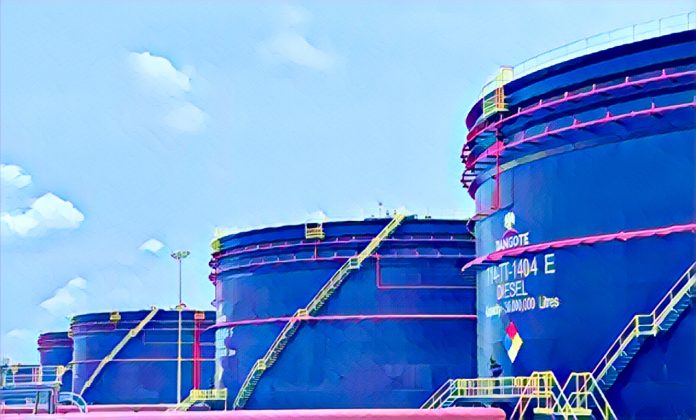
The refinery, the world’s largest single-train facility at 650,000 barrels per day, is not operating at full domestic supply capacity. It currently receives about five crude cargoes a month from NNPC under the naira-for-crude policy, far short of the 13 it needs. To bridge the gap, it sources crude on international markets at a steep premium.
Furthermore, Nigerian crude grades already trade at $3 to $6 above the Brent benchmark. Add freight costs of around $3.50 per barrel and crude lands at the refinery at between $88 and $91 per barrel. When petrol was selling at N774 per litre, crude was landing at $68.
The refinery has absorbed about 20 percent of the total cost escalation to cushion consumers, Bird said. But he was direct about the limits of that generosity: any decision to freeze or reduce prices had to come from the government.
NNPC Moving to Secure More Supply
NNPC has begun working with third-party international traders to secure additional crude supply for the Dangote refinery Nigeria fuel operations, according to industry sources. Officials cautioned, however, that the arrangement would not bring prices down immediately.
Billionaires Africa say the refinery’s presence has already prevented a worse outcome. Without local refining at this scale, Nigerian petrol prices could have reached N1,500 per litre under current market conditions. Finally, the Strait of Hormuz, through which about 20 percent of global oil transits, remains a flashpoint, and the pressure on supply is unlikely to ease quickly.

