

KEY POINTS
- Dangote Refinery reduced petrol price by ₦100, bringing the ex-gantry rate down to ₦1,075 per litre, with coastal supply priced at ₦1,050 per litre.
- Diesel price also fell by ₦190, dropping from ₦1,620 to ₦1,430 per litre.
- Despite the cuts, oil marketers warn petrol could rise to ₦1,500 per litre due to ongoing geopolitical tensions affecting global oil markets.
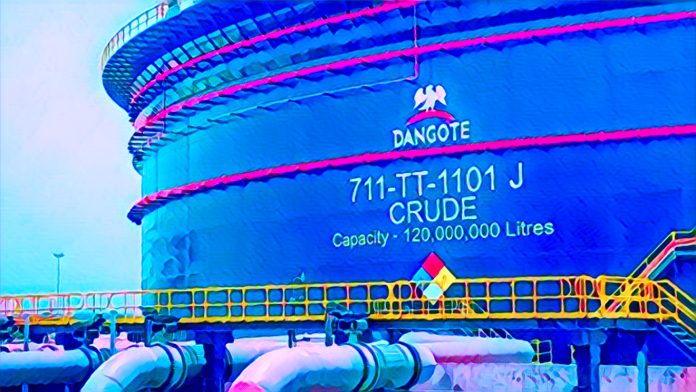
The Dangote Petroleum Refinery has announced a reduction in the ex-gantry price of Premium Motor Spirit (PMS), commonly known as petrol, lowering it to ₦1,075 per litre.
This marks the first price cut after three consecutive price increases in recent months. The new price represents a ₦100 decrease from the previous rate of ₦1,175 per litre, offering temporary relief to fuel marketers and consumers facing persistent fuel price volatility.
Under the revised pricing structure, petrol distributed through coastal supply channels will now sell at ₦1,050 per litre, slightly lower than the standard ex-gantry rate.
Diesel Price Also Reduced
In addition to petrol, the refinery also implemented a significant reduction in the price of Automotive Gas Oil (diesel).
The price of diesel has been cut to ₦1,430 per litre, representing a ₦190 drop from its previous price of ₦1,620 per litre.
The adjustments reflect ongoing changes in global oil market dynamics and operational pricing strategies within Nigeria’s downstream petroleum sector.
Industry observers attribute the refinery’s price reduction to the recent decline in global crude oil prices, which have fallen to about $90 per barrel.
This drop represents the first notable decline since the outbreak of the ongoing Middle East conflict, which had previously driven oil prices upward due to supply concerns and geopolitical uncertainty.
Despite the latest price reduction, oil marketers have cautioned that petrol prices may still rise in the near future.
They warn that continued geopolitical tensions in the Middle East could disrupt global oil supply chains, potentially pushing petrol prices in Nigeria as high as ₦1,500 per litre if crude oil prices surge again.
The development highlights the continued vulnerability of fuel prices to international market forces, even as Nigeria ramps up domestic refining capacity.

, commonly known as petrol)