

KEY POINTS
- Tinubu orders 100,000 CNG conversion kits deployed within two to three weeks.
- The Middle East war has spiked petrol prices and transport fares nationwide.
- About 77 CNG refilling stations are currently under development across Nigeria.
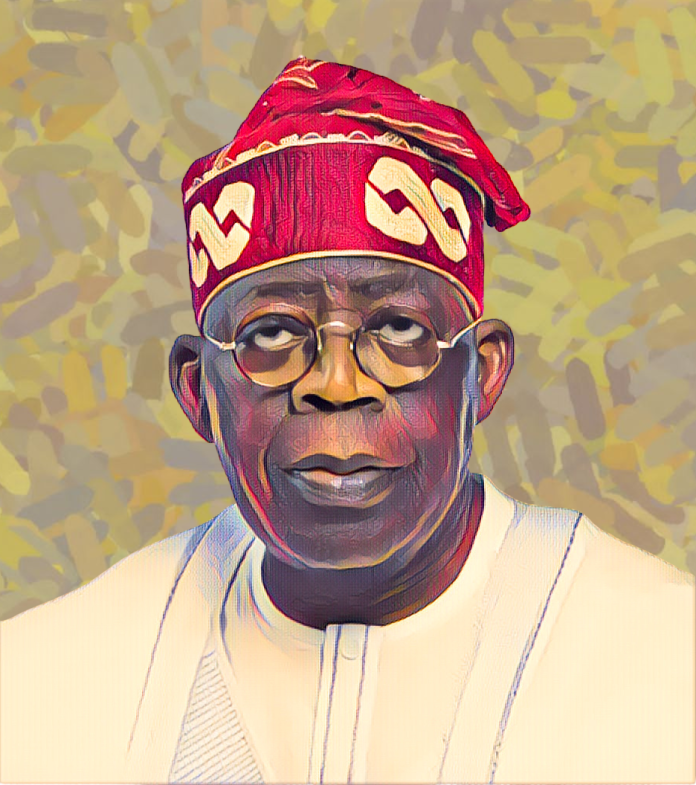
President Bola Tinubu is not waiting to see how bad Nigeria’s fuel crisis gets. He moved Tuesday, ordering the immediate rollout of about 100,000 CNG conversion kits across the country as rising petrol prices tied to the Middle East conflict bite harder into the wallets of ordinary Nigerians.
Ismaeel Ahmed, Executive Chairman of the Presidential Initiative on Compressed Natural Gas, broke the news to journalists after briefing the President at the State House in Abuja. He said Tinubu had been closely tracking global developments, particularly the US-Israel war with Iran and its pressure on international oil prices.
“The President wanted to know what we are doing at Pi-CNG and EV to scale up the availability of gas and CNG everywhere in the country so that people would have less cost of transportation,” Ahmed said.
Northern Corridor Gets Priority
The 100,000 CNG conversion kits Nigeria rollout is expected to be completed within two to three weeks, with conversion centres described as set to be “bustling with activities.” Vehicle owners, tricycle operators and commercial transporters are among the primary targets of the distribution, which will be executed in collaboration with multiple stakeholders.
Tinubu also directed the Pi-CNG initiative to accelerate construction of gas refuelling stations and electric vehicle charging infrastructure nationwide, with specific instructions to prioritise the northern transportation corridor. The planned network stretches from Lokoja through Abuja, Kaduna, Zaria and Kano up to Maiduguri.
About 77 CNG refilling stations are already at various stages of development across the country. In Kano, two Liquefied Compressed Natural Gas stations are operational, with several daughter stations still under construction.
EVs and Solar Charging Also in the Mix
The response goes beyond gas. Ahmed said the government is working with the Rural Electrification Agency to deploy solar-powered charging stations in off-grid locations to support electric vehicles, which Nigerians are already importing in growing numbers.
“People are already bringing in their electric vehicles regardless,” Ahmed said. “What we have to do now is ensure that there is enough infrastructure for them to work with.”
In Abuja, petrol was selling at between N1,260 and N1,280 per litre as of Tuesday, with transport fares on several routes reported to have climbed by more than 50 percent in recent days. The 100,000 CNG conversion kits Nigeria deployment is Tinubu’s most direct response yet to a crisis that shows little sign of easing on its own.

