

Key Points
- Nigerians living abroad are increasingly ordering clothes, shoes, bags and food from Nigeria to beat high overseas living costs
- A pair of jeans that costs £150 in the U.K. can be purchased in multiples for the same price in Nigeria, buyers say
- Boutique owners and logistics companies in Nigeria are expanding their customer base to serve a growing diaspora market
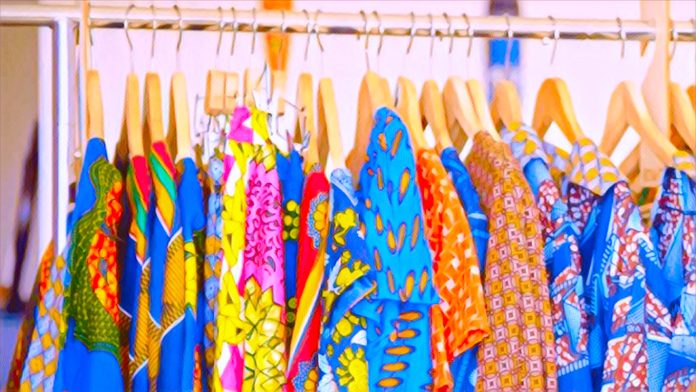
The direction of Nigeria’s fashion trade is shifting. Where Nigerians once prized foreign-made clothing and accessories over homegrown alternatives, a growing number of diaspora Nigerians are now placing orders directly from merchants in Nigeria, citing the rising cost of living abroad as the primary driver.
Shoppers in the United Kingdom, United States and other countries say Nigerian-made clothes, shoes, bags and accessories offer significantly better value than what is available in their countries of residence, and they are adjusting their spending habits accordingly.
Cost gap drives the shift
Mrs. Chiwendu Osarodion, a Nigerian living abroad, said the price difference is too significant to ignore.
“Here you can spend £150 for a jean trouser, which is over N150,000. But I can get three to four quality jeans at the same rate in Nigeria,” she said.
“So I order whatever I need from merchants in Nigeria, which is less expensive for me.”
Mr. Goodnews Lawrence, another Nigerian in the diaspora, echoed that position. “Shopping from Nigeria is less expensive compared to abroad.
Gone are the days people spend recklessly abroad,” he said, adding that he now sources his shoes, clothes and perfumes from Nigeria.
The only items he purchases locally are food, jackets and boots suited for cold weather.
Boutique owners, logistics firms benefit from diaspora demand
The trend is creating new business for boutique owners and logistics operators in Nigeria. Mrs. Helen Tudunola, a boutique owner, said she now serves customers in the U.K. and U.S. who regularly order clothes, shoes, bags and jewelry, which she then arranges for shipment to their destinations.
“The first time I had an order from the diaspora, I was shocked,” she said. “I began to imagine what might have gone wrong because I know Nigerians, we cherish foreign wear.”
Mrs. Shade Okunloye, a Nigerian in the diaspora, said she relies on a trusted personal shopper in Nigeria to source and ship her items.
“I pay her for the job, which she does so well. After getting these things, she makes sure they get to me intact by choosing a reliable logistics company,” Okunloye said.
She noted that while some logistics staff have a poor reputation for handling goods, dependable operators still exist.
Shift reflects broader change in diaspora spending habits
The trend represents a broader reversal in consumption patterns shaped by economic pressure.
Several diaspora Nigerians noted that the high cost of clothing abroad, combined with ongoing financial obligations both in their countries of residence and back home, has made discretionary overseas spending increasingly difficult to justify.
Lawrence noted that some restrictions apply depending on the destination country, with certain goods prohibited from import.
Despite those limitations, the demand for Nigerian-sourced goods among diaspora communities continues to grow.

