

KEY POINTS
- President Tinubu convened an emergency security meeting with top military and intelligence officials in Abuja.
- The meeting follows a US “Do Not Travel” advisory and evacuation of embassy staff over security concerns.
- Discussions also addressed a deadly airstrike in Borno, with calls for an independent probe into civilian casualties.
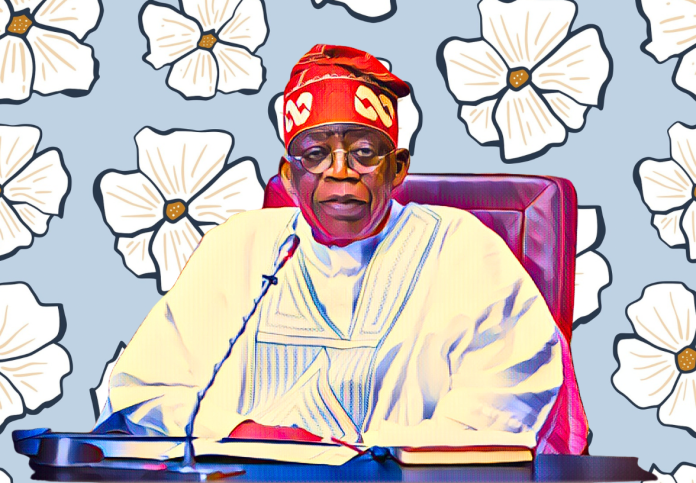
President Bola Ahmed Tinubu on Monday convened an emergency security meeting at the State House in Abuja, bringing together top military commanders and intelligence chiefs to assess pressing national security challenges.
The meeting, which commenced around 2:00 pm, had in attendance service chiefs, heads of intelligence agencies, the Inspector-General of Police, and the National Security Adviser, Nuhu Ribadu.
The high-level session comes amid heightened concerns following a security advisory issued by the United States Department of State, which authorized the voluntary evacuation of non-essential embassy staff and their families from Abuja over what it described as a “deteriorating security situation.”
In addition, the US placed 23 out of Nigeria’s 36 states under a “Level 4: Do Not Travel” warning, citing risks such as terrorism, kidnapping, and violent crime.
However, the Federal Government pushed back against the advisory, with Information Minister Mohammed Idris insisting that the alert does not reflect the overall security reality of the country. He maintained that while certain regions face security challenges, most parts of Nigeria remain stable and under control.
The emergency discussions also focused on the fallout from a recent Nigerian Air Force operation targeting insurgents. The airstrike reportedly struck Jilli Market along the Borno–Yobe border on April 11, leading to the deaths of over 100 civilians, including women and children.
Reacting to the incident, Amnesty International called for an independent investigation, condemning the strike as a disturbing example of disregard for civilian lives.

