

KEY POINTS
- Abdulfatai Yahaya Seriki Gambari founded Kursi Investments Limited in 2005 and now runs one of Nigeria’s largest indigenous mining operations, with activity across 30 of the country’s 36 states.
- Kursi pivoted from lead and zinc exports in the early 2010s to gold mining in 2016 through a partnership with Chinese technical partners, riding a wider push to diversify Nigeria beyond oil.
- Seriki Gambari doubles as an APC political figure in Kwara State, carries the Member of the Order of the Federal Republic national honor awarded in 2023, and represents Nigerian mining at global forums in London and Riyadh.
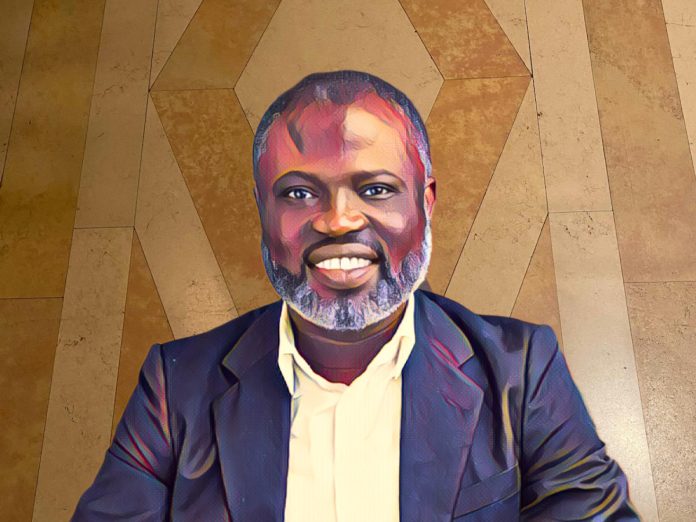
Abdulfatai Yahaya Seriki Gambari started walking mining sites around Jos as a teenager. Kursi Investments Limited, the company he founded in 2005, now runs across 30 of Nigeria’s 36 states as the country’s most visible indigenous gold, lead and zinc producer.
He was born in Kaduna on Oct. 8, 1975, grew up between Maiduguri and Jos and traces his family to Ilorin, the Kwara State capital, where the Seriki Gambari line is among the older ruling houses. He earned an HND in Public Administration from Plateau State Polytechnic and later attended the University of Port Harcourt and the Nigeria Mining School in Jos. He also holds certificates in accounting, auditing, mining and engineering.
Building Kursi one mineral at a time
Kursi’s first wave was lead and zinc. Between 2010 and 2015, the company ranked among Nigeria’s biggest exporters of both metals, and industry observers credit him with putting the country’s lead-zinc potential on international buyers’ maps. The sector had languished under government neglect and regulatory tangles, though the 2007 Nigerian Minerals and Mining Act had eased the path for serious operators.
Then came the pivot. In 2016, working with Chinese partners who brought capital and technical depth, Seriki Gambari moved Kursi into gold exploration. The move arrived ahead of the federal government’s harder push to diversify away from oil. By the time Zamfara, Osun, Kebbi, Sokoto and Niger drew broader exploration interest, Kursi was already on the ground.
Today Kursi runs offices in 22 states producing gold, copper, lead, zinc, silver, tin and rare earth minerals. It belongs to the Responsible Jewelry Council, a credential that matters as global buyers scrutinize African mineral provenance more tightly. The group was Diamond Sponsor of Nigeria Mining Week 2024.
Politics, philanthropy and the public stage
Seriki Gambari is a chieftain of the All Progressives Congress in Kwara and played a prominent role in the 2019 “O To Ge” movement that unseated former Senate president Bukola Saraki from state politics. He declared for the Kwara governorship that year, then withdrew in favor of AbdulRahman AbdulRazaq, whose winning campaign he ran as director general. In 2022, he launched a senatorial bid for Kwara Central.
Outside the group, the Yahaya Seriki Foundation has deployed a N250 million Cash Boost Initiative for entrepreneurs, youth and small businesses across Kwara, while Kursi has sunk solar-powered boreholes at seven mine-site communities. He also holds a United Nations Peace Ambassador accreditation.
Recognition has followed. In 2023, former president Muhammadu Buhari conferred on him the Member of the Order of the Federal Republic, and Guardian Nigeria named him among the country’s most inspiring chief executives the same year. He has since addressed Mines and Money London and the Future Minerals Forum in Riyadh, speaking for Nigerian mining before sovereign funds and international operators.
According to Billionaires Africa, Nigeria’s solid minerals still contribute only about 0.15 percent of GDP against a 3 percent government target, and the country sits on an estimated 757,000 ounces of gold worth up to $1.4 billion at current prices. Seriki Gambari has spent 30 years closing that gap, one license and one mine at a time.

