

KEY POINTS
- Boko Haram faction threatens to execute up to 20 of 416 captives if the government fails to engage in negotiations.
- Mediator Samaila Kaigama accuses authorities of silence and warns of imminent violence.
- Urgent action is needed as insurgents plan possible public executions to demonstrate seriousness.
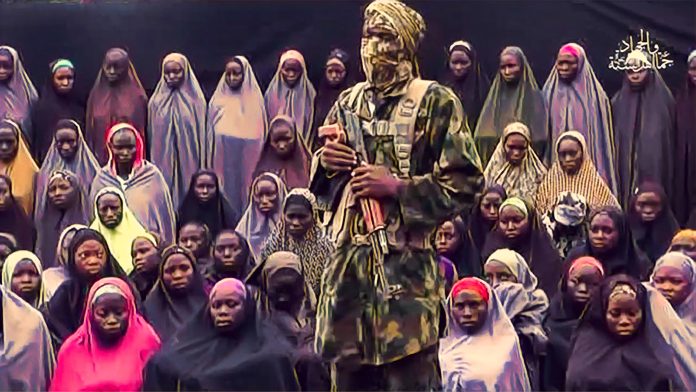
A faction of Boko Haram, officially known as Jama’atu Ahlis Sunna Lidda’awati wal-Jihad, has issued a chilling threat to execute between 15 and 20 hostages from a group of 416 abducted persons in Ngoshe community, Borno State, if the Nigerian government fails to act swiftly.
The warning was made public by Samaila Ibrahim Kaigama, President of the Borno South Youth Alliance (BOSYA), who has been mediating efforts to secure the victims’ release.
In a video message, Kaigama revealed that negotiations with the insurgents have stalled due to what they perceive as government inaction. He warned that the group is prepared to carry out public executions—possibly broadcast on video—to demonstrate their seriousness.
According to him, the insurgents have given a final ultimatum, stating that failure by authorities to engage them within the agreed timeframe would result in immediate killings of selected captives.
Kaigama expressed frustration over government neglect
Kaigama expressed frustration over what he described as total neglect by government officials, noting that despite his outreach to authorities and the media, no meaningful response or support has been received.
He further disclosed that the insurgents claimed restraint so far was due to his intervention but insisted they would proceed with executions if no progress is made. Some of the victims reportedly marked for execution include individuals who allegedly resisted during the abduction.
The mediator also raised concerns over the emotional and financial burden he has borne alone, revealing he had spent nearly one million naira on the process without assistance from the government or humanitarian organisations.
Hinting at a possible withdrawal from the mediation effort, Kaigama said he does not want to be associated with any loss of innocent lives if the situation deteriorates.
He also criticised human rights organisations for failing to respond adequately, stressing that over 400 lives remain at risk while little is being done.

