

KEY POINTS
- Foreign Affairs Minister Bianca Odumegwu-Ojukwu says no Nigerian was killed in the recent anti-foreigner protests in South Africa.
- However, two Nigerians died in separate incidents involving South African security personnel that the FG called “condemnable and unacceptable.”
- About 130 Nigerians have registered for voluntary repatriation, and another round of demonstrations is expected May 4 to 8.
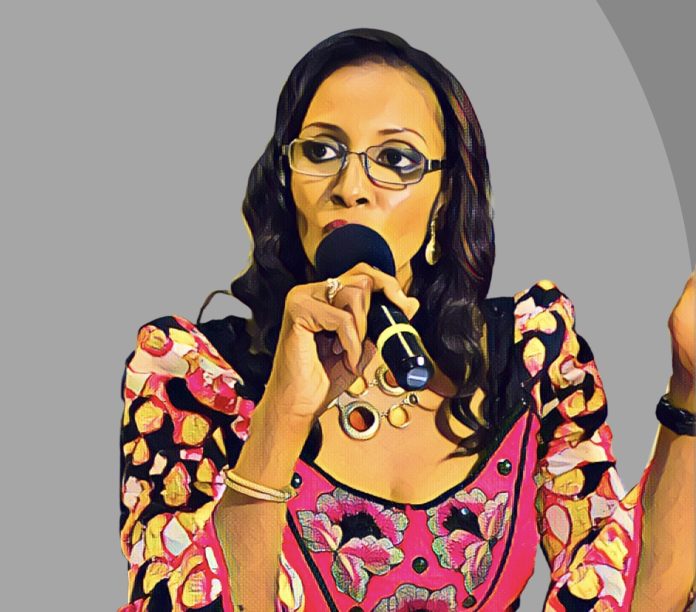
Bianca Odumegwu-Ojukwu, Nigeria’s foreign affairs minister, says recent anti-foreigner protests in parts of South Africa killed no Nigerian and damaged no Nigerian-owned property. The clarification pushes back on viral images circulating online that suggested widespread xenophobic violence.
Odumegwu-Ojukwu set out the situation in a report titled “South Africa Protests: Situation Report” published on her X handle on Sunday. She said the federal government is closely monitoring the rising tensions, with President Bola Tinubu directing enhanced diplomatic engagement.
What South African authorities reported
Specifically, official reports from South African authorities indicated that recent protests in Pretoria and Johannesburg between April 27 and 29, 2026, were largely peaceful. Security operatives occasionally used tear gas to disperse gatherings, but the demonstrations stopped well short of the violence in viral footage.
Furthermore, Odumegwu-Ojukwu said the situation has not produced the casualties many feared. The federal government’s monitoring, both through its missions in South Africa and direct engagement with Pretoria, supports that conclusion. The numbers do not match the narrative.
Two unrelated deaths the FG won’t ignore
However, the minister disclosed that two Nigerians died in separate incidents that did not involve the protests directly. Both deaths reportedly came after encounters with South African security personnel.
Specifically, Amamiro Chidiebere Emmanuel reportedly died from injuries he suffered during an encounter with military personnel of the South African National Defence Force. Nnaemeka Matthew Andrew died after an alleged encounter with metro police officers.
Odumegwu-Ojukwu described both incidents as condemnable and unacceptable. She said the Nigerian High Commission is following up on investigations to ensure justice.
More protests, more diplomacy
Notably, another round of demonstrations will hit the streets between May 4 and 8, 2026. The federal government has intensified diplomatic engagement with South African authorities ahead of the planned protests.
Additionally, the Ministry of Foreign Affairs has summoned South Africa’s high commissioner to Nigeria over the situation. Nigerian missions in South Africa remain in constant contact with host authorities.
Crucially, the ministry has set up arrangements for voluntary repatriation of Nigerians who want to return home. About 130 people have already registered for evacuation, the minister said.
A reminder of shared history
Bianca stressed that Nigeria remains committed to protecting its citizens abroad and to working with South Africa to prevent further xenophobic tensions. She invoked Nigeria’s historical support for South Africa during its liberation struggle.
Meanwhile, both countries had previously signed a memorandum of understanding on early warning mechanisms aimed at preventing and managing crises affecting citizens of both nations. The current tensions test that framework.
With another round of protests on the calendar and 130 Nigerians lined up for evacuation, Pretoria’s response in the coming days will shape both the immediate safety picture and the longer diplomatic relationship. Odumegwu-Ojukwu’s report draws a clear line between viral perception and verified facts, but the death of two Nigerian citizens at the hands of South African security personnel keeps the heat on Nigeria-South Africa ties for now.

