

KEY PONTS
- Rights group condemns alleged unlawful detention of 62 Nigerians in Uganda.
- Calls on Tinubu, AU, and UN to intervene and secure their release.
- Links issue to broader concerns about xenophobia and governance failures.
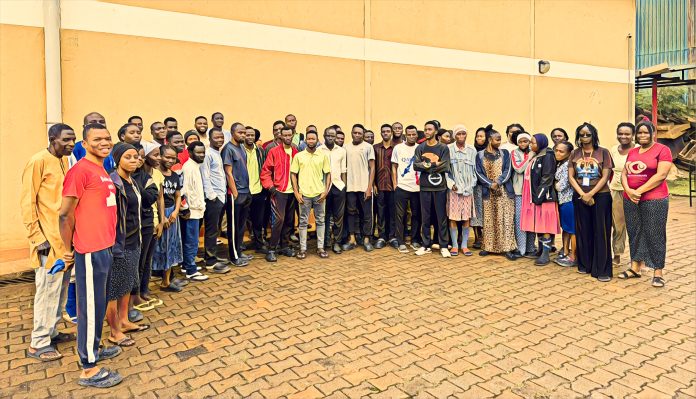
The Committee for the Defence of Human Rights (CDHR) has raised serious concerns over what it describes as the unlawful detention of 62 Nigerians in Uganda, accusing authorities of violating international laws and basic human rights.
The group alleged that the detainees are being held without access to legal representation, communication, or due process, a situation it described as a grave breach of globally accepted legal standards and diplomatic norms.
The organisation has called on the administration of Bola Ahmed Tinubu to urgently intervene through diplomatic channels to secure the release and protection of the affected Nigerians.
It stressed that the safety and dignity of citizens abroad must be treated as a priority, warning that failure to act decisively could further expose Nigerians to abuse and undermine the country’s international standing.
Violation of International Laws Alleged
According to the CDHR, the actions of Ugandan authorities contravene several international legal frameworks, including the Universal Declaration of Human Rights and other treaties that guarantee fair hearing, legal access, and protection against arbitrary detention.
The group argued that these violations represent a serious disregard for obligations under international law and called for immediate restoration of the detainees’ rights.
Beyond Nigeria’s response, the group urged international organisations such as the African Union and the United Nations to intervene in the matter. It emphasised the need for global oversight to ensure accountability and prevent further abuse, noting that such cases require coordinated international attention to uphold human rights standards.
The CDHR also condemned ongoing xenophobic violence against Nigerians in South Africa, criticising the government led by Cyril Ramaphosa for what it described as an inadequate response. The group argued that a perceived lack of firm action has emboldened perpetrators and allowed such attacks to persist, further endangering Nigerians living abroad.

