

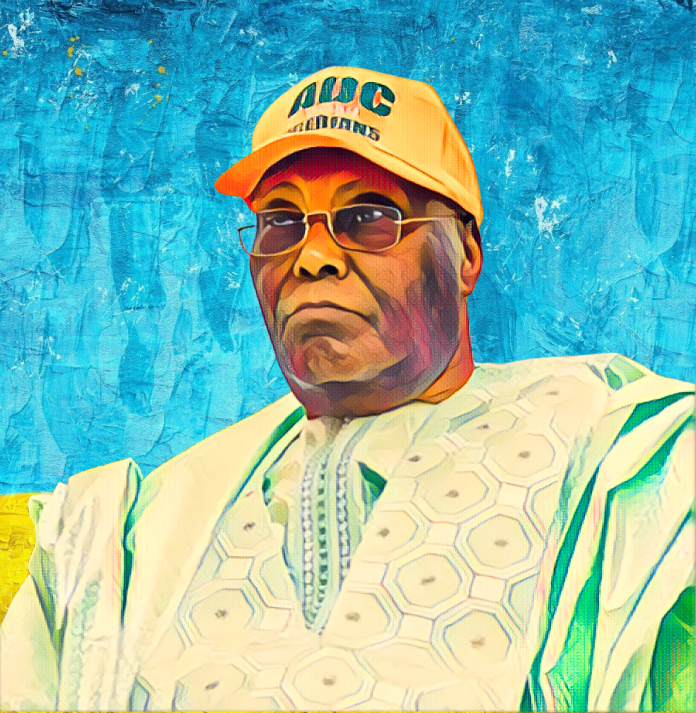
KEY POINTS
- The Atiku camp dismissed Babachir Lawal’s allegations of irregularities in the ADC presidential primary, insisting the process was fair and credible.
- Phrank Shaibu attacked Lawal’s credibility, referencing the “grass-cutting scandal” and accusing him of hypocrisy over his shifting positions on party primaries.
- The statement defended Atiku Abubakar as a national candidate and urged focus on national issues ahead of the 2027 election rather than internal disputes.
The camp of former Vice President Atiku Abubakar has strongly dismissed allegations made by former Secretary to the Government of the Federation, Babachir Lawal, over the outcome of the African Democratic Congress (ADC) presidential primary that produced Atiku as the party’s 2027 flagbearer.
In a sharp response issued on Sunday, Atiku’s Senior Special Assistant on Public Communication, Phrank Shaibu, described Lawal’s claims as “baseless,” insisting that the primary process of the African Democratic Congress was transparent and conclusive. He argued that Lawal failed to present any credible evidence, witnesses, or documentation to support his allegations of irregularities at the ward level.
Shaibu further suggested that Lawal’s rejection of the outcome was driven by dissatisfaction with the result, rather than any genuine concern about electoral integrity. He also questioned Lawal’s credibility by revisiting the controversial “grass-cutting scandal,” which previously led to his removal as SGF under former President Muhammadu Buhari.
According to Shaibu, it was contradictory for Lawal to position himself as a critic of electoral misconduct while carrying what he described as a tarnished public record. He accused Lawal of attempting to “reinvent” himself as a moral authority despite past controversies.
Atiku: Camp highlights inconsistencies in Lawal’s Stance
The Atiku camp also highlighted inconsistencies in Lawal’s stance, noting that he had previously accepted the outcome of the ADC Adamawa governorship primary but rejected the presidential primary conducted under the same process. Shaibu argued that rejecting one result while accepting another undermined claims of procedural unfairness.
He further faulted Lawal for introducing ethnic and religious narratives into the political disagreement, insisting that national attention should instead focus on pressing issues such as insecurity, economic hardship, and unemployment.
Shaibu concluded by reaffirming Atiku’s national appeal, stating that the 2027 presidential election would ultimately be decided by voters rather than disputes arising from internal party primaries.

