

KEY POINTS
- US Congressman Riley Moore welcomed the Senate’s passage of the state police bill.
- He says the reform would help states protect citizens and persecuted Christians.
- The bill still needs ratification by two-thirds of state Houses of Assembly.
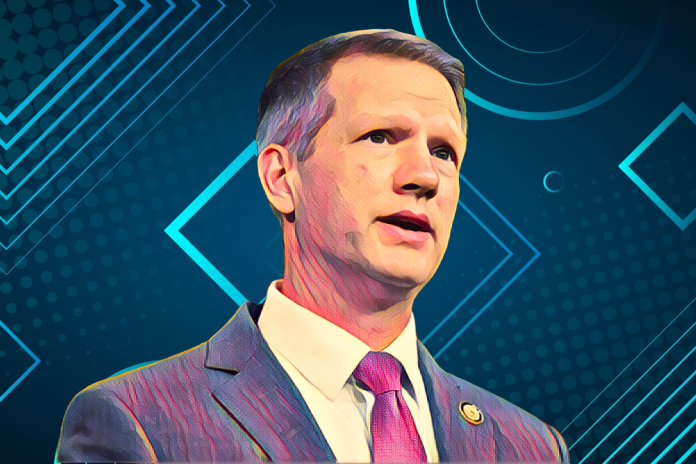
A United States lawmaker, Riley Moore, has welcomed the Nigerian Senate’s passage of the Constitution Alteration Bill seeking to establish state police, saying the reform would help states better protect citizens, particularly persecuted Christians. Moore, who represents West Virginia’s 2nd Congressional District in the US House of Representatives, made the remarks in a post on X on Wednesday.
A reform a US congressman backs
His reaction followed the Senate’s approval of the bill, which seeks to decentralize policing by allowing states to run their own police services alongside the Nigeria Police Force. According to Moore, he had pushed for the change both publicly and privately.
“I’m encouraged to see Nigeria’s Senate approve legislation to establish state-level police forces, a reform I’ve called for publicly and privately since I first started investigating the genocide against Christians in Nigeria,” he wrote. Moreover, he framed the law as critical to protecting vulnerable communities. “I can’t stress how critical this law that will empower states to protect their own citizens and reducing dependence on decision makers in Abuja is to the effort to defend persecuted Christians and address insecurity,” he added.
Furthermore, Moore commended President Bola Tinubu for backing the proposal, while he noted that the amendment must still clear more hurdles. “President Tinubu deserves credit for pushing it forward, but now we need 2/3rds of the states to ratify before it will take effect,” he said.
What the bill proposes
The Senate passed the Constitution Alteration Bill on Wednesday after more than two-thirds of senators voted in support during a manual vote. According to the proposal, the framework would let state police operate concurrently with the federal police, empowering governors to appoint Commissioners of Police, subject to confirmation by their state Houses of Assembly.
In addition, the bill includes safeguards against abuse. It provides that state police cannot move against individuals or groups merely for criticizing a state government, except in accordance with the law. Ultimately, the measure will only enter the Constitution after it secures approval from at least two-thirds of the state legislatures and completes other constitutional processes, which leaves its final fate in the hands of the states.