

KEY POINTS
• The Federal Government has banned commercial motorcycles and tricycles from operating on the Lagos-Calabar Coastal Highway starting this week.
• Authorities have also prohibited indiscriminate truck parking and refuse dumping along the highway to protect the road infrastructure.
• Warning signs have been erected, while task force officials will enforce the new regulations, with violators facing sanctions.
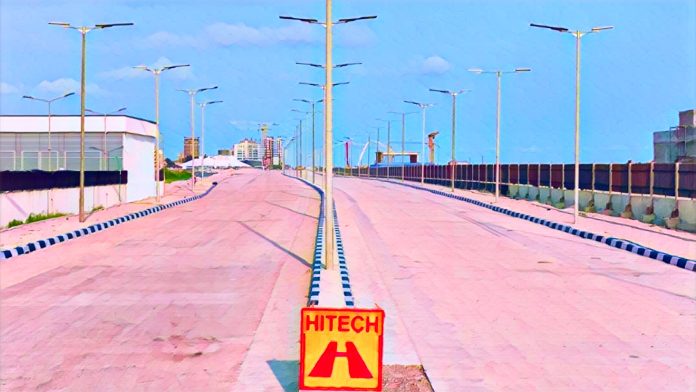
The Federal Government has banned the operation of commercial motorcycles and tricycles on the Lagos-Calabar Coastal Highway as part of efforts to protect the newly constructed road from misuse and premature damage.
The Federal Ministry of Works announced that the restriction will take effect this week, with enforcement measures already being put in place.
The Federal Controller of Works in Lagos State, Olufemi Dare, disclosed the development on Sunday, explaining that the decision was made to preserve the integrity of the coastal highway and ensure that the massive infrastructure investment serves Nigerians for many years.
Olufemi Dare Says Lagos-Calabar Coastal Highway is a major national infrastructure
According to him, the Lagos-Calabar Coastal Highway is a major national infrastructure project that requires proper maintenance and responsible use to maximise its lifespan.
In addition to banning commercial motorcycles and tricycles, the ministry has also prohibited the indiscriminate parking of trucks and articulated vehicles along the highway and on bridges across Lagos State.
Dare noted that improperly parked heavy-duty vehicles pose safety risks to motorists, obstruct traffic flow, and could damage road infrastructure if left unchecked.
The Federal Ministry of Works also announced a ban on the indiscriminate dumping of refuse along highway corridors, describing the practice as harmful to public infrastructure, the environment, and road users.
According to the ministry, keeping the highway free from waste and obstruction is essential to maintaining its quality, improving drainage, and ensuring safe movement of vehicles.
To ensure compliance with the new directives, warning signs have already been installed at various locations along the Lagos-Calabar Coastal Highway.
The ministry also disclosed that enforcement teams and task force officials will be deployed to strategic points along the route to monitor activities and prevent violations.
Authorities warned that anyone found violating the new regulations would face strict enforcement actions as the government intensifies efforts to protect the road and maintain order.
Dare urged motorists, transport operators, and other road users to cooperate with the authorities by adhering to the new rules.
He emphasised that protecting the Lagos-Calabar Coastal Highway is a shared responsibility and would help extend the lifespan of the road while ensuring Nigerians continue to enjoy the full benefits of the landmark infrastructure project.
The Lagos-Calabar Coastal Highway is one of the Federal Government’s flagship road projects aimed at improving transportation, boosting economic activities, and enhancing connectivity between states along Nigeria’s coastline

