

Key points
- Open defecation has relapsed across Cross River since COVID halted the ODF drive in 2020.
- Roughly 90 percent of rural households still lack toilets.
- Governor Bassey Otu signed a law giving a six-month grace period before penalties.
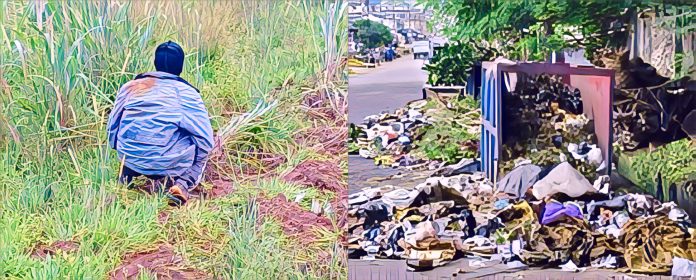
Five years after the COVID-19 lockdown stalled its sanitation drive, Cross River State has seen open defecation return with force. According to residents, the practice now unfolds in markets, near schools and behind homes across the state.
Between 2016 and 2019, the state made real progress against the habit. With help from Toilet Pride and the WASH agency, officials pushed every household to build a toilet, pit latrine or water system.
That campaign paid off, and six local government areas reached Open Defecation Free status. However, the 2020 lockdown diverted attention and funds, and the drive has stalled ever since.
Worse still, sanitary inspectors have reportedly turned enforcement into extortion. According to residents, the officers collect money house to house while the filth remains.
A relapse across the state
Today, nearly every local government area has slipped back. Notably, a staggering 90 percent of rural households still lack toilets.
Meanwhile, urban centers such as Ugep, Ikom, Ogoja and Obudu battle their own waste crises. Indeed, refuse now piles up at street corners, in drainages and behind homes.
One resident captured the mood with open defiance. “They cannot build roads, bring electricity or a health center, yet they want to jail us for not having toilets,” he said.
Some residents even defend the habit as a lifestyle. According to one source, many treat it as freedom, while others wrongly believe it fertilizes their soil.
Beyond toilets, waste collection has collapsed outside Calabar. Consequently, bins stay scarce in other towns, and thieves often steal them for scrap.
Health risks and a new law
RUWATSA Managing Director Sunday Ebeku warned that the practice endangers public health. According to him, open defecation spreads diarrhea, typhoid, intestinal worms and other water-borne diseases.
Children face the gravest danger, since chronic diarrhea fuels malnutrition and stunted growth. Therefore, Ebeku urged communities to abandon the soil-fertilizer myth.
In response, Governor Bassey Otu has signed the Open Defecation Bill into law. According to the statute, households get a six-month grace period to build toilets before penalties begin.
After that window closes, any building without a toilet becomes liable. Indeed, offenders risk a six-month jail term under the new law.
Ultimately, the crisis demands both new infrastructure and a shift in attitudes. As a result, officials face hard questions about whether they will truly enforce the law.