
KEY POINTS
- Tinubu says Nigeria’s refineries will soon bounce back once they can run profitably.
- He complained that CNG benefits go to truck owners rather than commuters, and defended the fuel subsidy removal.
- NUPENG urged Tinubu to stop worker casualisation and revive the Nigerian Pipelines and Storage Company depots.
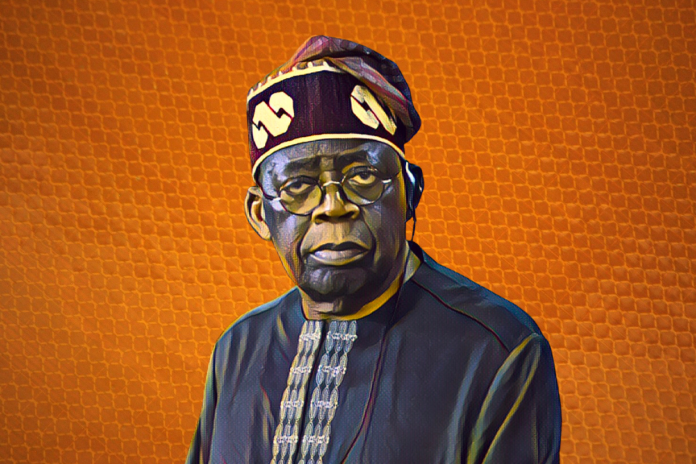
President Bola Tinubu has assured Nigerians that the country’s refineries will soon bounce back, and he insisted that a plant only counts as working once it turns a profit.
He spoke on Thursday when he received the leadership of the Nigeria Union of Petroleum and Natural Gas Workers at the Presidential Villa in Abuja. Moreover, he described the union as a good partner and called it a critical nerve of the economy.
Refineries and subsidy savings
According to Tinubu, the government is rebuilding the commercial structure behind the refineries rather than chasing quick restarts. Furthermore, he said flame and smoke from a plant mean little until the operation becomes profitable, and he pledged to fix the assets and liabilities he inherited. He also promised, through perseverance, to bring relief that he likened to the joy of a newborn after a difficult pregnancy.
Still, he defended his removal of the fuel subsidy, recalling how he faced down a strike threat over the policy. He said workers across the three tiers of government now enjoy prompt salaries, and he pointed to highway projects such as Lagos-Ibadan, Abuja-Kaduna, Abuja-Kano and Sokoto-Badagry. Consequently, he promised to publish how the government uses the subsidy savings.
CNG gains and workers’ pleas
On compressed natural gas, Tinubu complained that the benefits flow into the pockets of truck owners rather than commuters. Therefore, he urged drivers to let the savings trickle down, admitting the gains do not spread as fast as he would like.
Meanwhile, NUPENG President Salimon Akanni Oladiti asked Tinubu to help stop the casualisation of workers, especially in the upstream sector, saying efforts to change company practices had failed. In addition, he welcomed the plan to revive the Warri and Port Harcourt refineries with Chinese partners and praised the rehabilitation of federal highways, which he said eases the movement of tanker drivers. Finally, he urged the government to fix the decaying Nigerian Pipelines and Storage Company depots and hand them to private investors under an equity arrangement.