

Key Points
- Some senators claim their signatures on the committee report were misrepresented.
- The Senate imposed multiple sanctions on Akpoti-Uduaghan beyond her suspension.
- The senator has taken her case to the Inter-Parliamentary Union for intervention.
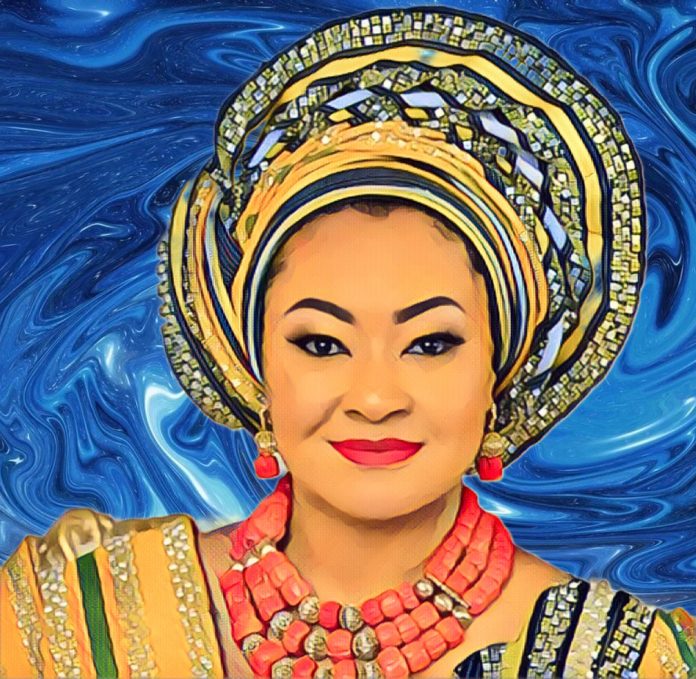
The controversy surrounding the suspension of Senator Natasha Akpoti-Uduaghan has deepened, with fresh allegations that signatures attached to the Senate Committee on Ethics, Privileges, and Public Petitions’ report were misused.
Some senators now claim their signatures were meant for attendance records, not for endorsing her suspension.
Attendance or approval?
On March 5, members of the Senate Ethics Committee met to investigate the dispute between Senator Akpoti-Uduaghan and Senate President Godswill Akpabio over the chamber’s seating arrangement.
Senators attending the meeting signed an attendance register, as is customary.
However, when Committee Chairman Neda Imasuen presented the report the following day, the signatures from the attendance sheet were included—creating the impression that all signatories supported the committee’s recommendations, including the suspension of Akpoti-Uduaghan.
One of the key sanctions in the report barred the Kogi senator from identifying herself as a senator, both in Nigeria and internationally, for six months.
Some senators are now pushing back, insisting they never got the chance to review the report before it was submitted.
A lawmaker who attended the meeting told Premium Times that committee members should have been allowed to examine and approve the report before it was presented. Instead, they only saw its contents after it was read on the Senate floor.
Natasha Akpoti-Uduaghan’s suspension
On March 6, the Senate voted to suspend Akpoti-Uduaghan for six months, citing misconduct during a February 20 plenary session and her refusal to adhere to the chamber’s seating rules.
Beyond her suspension, the Senate also imposed additional sanctions:
- Her security aides were withdrawn.
- Her office in the National Assembly was closed.
- All Senate property in her possession was recalled.
- She was barred from entering the National Assembly premises.
- Her salary and allowances were frozen.
- She was prohibited from representing herself as a senator in any capacity.
However, the Senate left a path for possible reinstatement, stating that her suspension could be lifted if she submits a written apology—subject to leadership approval before the full six-month term expires.
On Tuesday, Akpoti-Uduaghan took her case to the Inter-Parliamentary Union (IPU) at the United Nations headquarters in New York, calling for international intervention.
She argued that her suspension was unlawful and aimed at silencing her. During her address, she also reiterated allegations of sexual harassment against Akpabio.
Senators push back
During a closed-door session on Wednesday, some senators reportedly raised concerns over the use of their signatures in the committee’s report.
According to sources, lawmakers from the North-West, North-East, and North-Central regions objected to their names being linked to the recommendations without explicit approval.
They argued that signing an attendance register does not equate to endorsing a resolution, and they should have been given a chance to review the report before it was submitted.
Despite these internal objections, none of the senators have spoken publicly about the matter. Efforts to reach them for further clarification were unsuccessful.
Debate over committee decisions
During the closed-door meeting, some senators defended the committee’s actions, arguing that attendance at a meeting implies agreement with decisions made during that session.
In their view, once a committee reaches a decision, there is no need for additional signatures.
However, the fact that some senators dispute the process has raised further concerns about whether Akpoti-Uduaghan’s suspension followed due process.
Committee Chairman Neda Imasuen has not responded to requests for comment. Calls and messages from Premium Times to his phone went unanswered.

