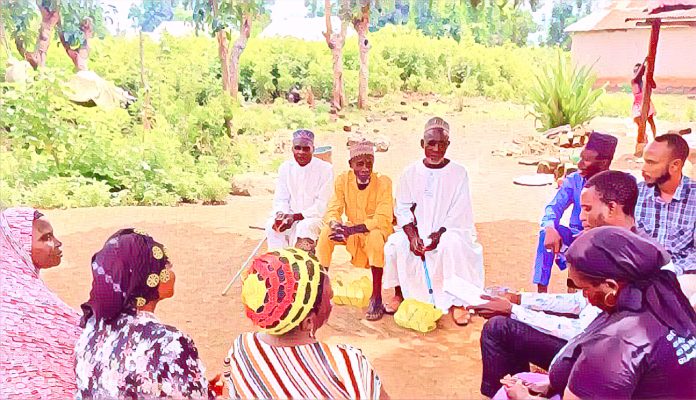
Across Nigeria’s rural landscapes, six communities have defied systemic neglect by creating self-sustaining ecosystems that bypass government support.
From grassroots governance to innovative economic models, these villages—Okigwe (Imo), Ezza-Ama (Ebonyi), Ugep (Cross River), Otuocha (Anambra), Igbogene (Bayelsa), and Gboko (Benue)—have thrived for decades through collective action and cultural ingenuity.
In Okigbe, Imo State, a cooperative farming system has turned the once-barren region into a cassava and yam export hub. “We pool resources to buy seeds and tools, then share profits equally,” explains village elder Chief Emeka Nwosu.
Similarly, Ezza-Ama’s community-led judiciary resolves disputes without police involvement, using a council of elders to enforce restitution-based justice. “No case takes longer than a week. Trust is our currency,” says local mediator Adaeze Onuoha.
How cultural heritage and technology bridge the gap
The resilience of these communities often stems from blending tradition with modernity. In Ugep, Cross River, a centuries-old rotational leadership system ensures every clan governs for five years, preventing power monopolies.
Meanwhile, Otuocha’s youth have digitized their palm oil trade, using social media to connect directly with international buyers. “We cut out middlemen and doubled our income,” says 28-year-old entrepreneur Ifeanyi Okeke.
Bayelsa’s Igbogene, a riverine community, relies on solar-powered water purification systems funded by crowdfunded levies. “Every household contributes ₦500 monthly. We haven’t had a cholera outbreak in eight years,” notes health volunteer Tamuno Briggs. In Gboko, Benue, a community-owned blockchain ledger tracks land ownership, resolving generational disputes.
Experts attribute this success to Nigeria’s “ubuntu” ethos—a philosophy of communal uplift. “These models thrive because they’re rooted in cultural identity, not external aid,” says sociologist Dr. Amina Yusuf. However, challenges persist: climate change threatens Okigbe’s farms, while Benue’s blockchain system struggles with internet access.
Despite minimal state infrastructure, these communities have achieved near-universal literacy through volunteer teachers and barter-based education programs. “We trade yams for math lessons,” laughs Ezza-Ama student Chidinma Eze.