

KEY POINTS
-
Focus keyphrase drives Lagos transport expansion.
-
100 EVs mark a major upgrade for commuters.
-
Drivers gain higher earnings through lower costs.
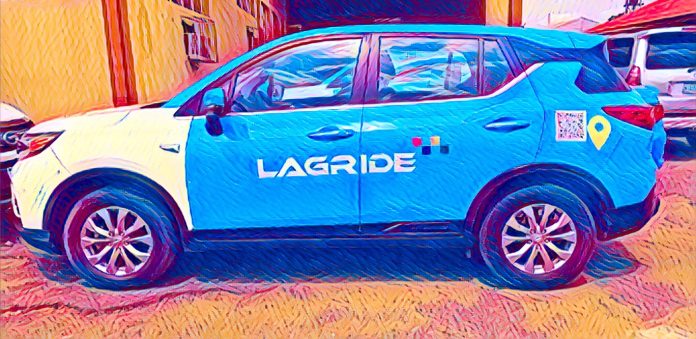
LagRide, the Lagos-backed ride-hailing service, has expanded its fleet with 100 electric vehicles for sustainable transport.
The milestone highlights Lagos State’s transition toward cleaner, technology-driven mobility and environmentally conscious urban transportation growth.
Executive Director Adeniyi Saliu announced the development on Friday during a press conference at LagRide’s Ikeja headquarters.
The rollout reflects Lagos’ broader transportation agenda, championed by President Bola Tinubu, to modernise mobility in Africa’s largest city.
LagRide expansion highlights EV benefits
Saliu added that the initiative aligns with Lagos’ economic and environmental goals. The benefits include shorter waiting times, dependable rides, and new employment opportunities. “We are not just adding vehicles. We are creating an ecosystem that improves daily life in Lagos through clean air, structured jobs, and consistent transport service,” he said.
Focus keyphrase underpins Lagos transport plan
A key feature of the LagRide system, Saliu noted, is strict fleet management. Preventive maintenance, diagnostics, and trained technicians keep cars running efficiently, minimizing breakdowns. “The difference Lagosians will feel is not only in new vehicles but in the discipline that ensures reliability,” he said.
Accoridng to Punch, Ifeanyi Abraham, LagRide’s communications lead, said the model draws from global benchmarks such as Dubai’s government-backed e-taxis, which are known for safety and affordability. “Lagos is advancing with the same ambition,” he added, pointing to training, technology adoption, and environmental alignment.
The company also plans to introduce 10,000 additional drivers through a bank-supported leasing scheme before the festive season, boosting transport availability when demand spikes. Analysts say this dual push, expanding EV use and scaling the driver base, positions LagRide to reshape mobility in Lagos.

