

KEY POINTS
- The Transparency and Integrity Index holds public entities responsible for their actions.
- It fits with Nigeria’s plans for reform and its fight against corruption.
- The Transparency and Integrity Index makes people trust the government more.
The Bureau of Public Service Reforms (BPSR) has launched the 2025 Transparency and Integrity Index (TII), reaffirming the government’s push to build trust and openness within the public sector.
Announcing the initiative in Abuja on Saturday, Aliyu Umar, Head of Strategic Communications at BPSR, said the index remains central to Nigeria’s ongoing governance reforms.
Transparency and Integrity Index drives accountability
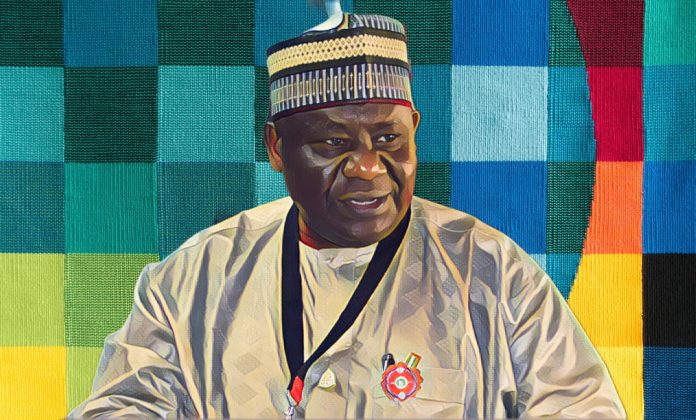
Director-General Dasuki Arabi described the Transparency and Integrity Index as more than just a ranking exercise. He said it is a strategic framework for fostering transparency, accountability, and ethical conduct across Ministries, Departments, and Agencies (MDAs).
“The TII is not just about numbers,” Arabi said. “It’s also about building a culture of openness and responsibility that strengthens public trust.”
Now in its fifth edition, the Index measures compliance across five pillars: financial management, corruption control, open procurement, citizen engagement, and human resource inclusion.
Transparency and Integrity Index aligns with key reforms
Arabi noted that the Index complements Nigeria’s broader reform agenda under the National Strategy for Public Service Reforms (NSPSR 2021–2025).
It also strengthens the Freedom of Information Act and helps Nigeria join the Open Government Partnership.
The study, which was done with the help of the Centre for Fiscal Transparency and Public Integrity (CeFTPI), intends to make it easier for both citizens and investors to understand how the government works.
A benchmark for stronger governance in Nigeria
The Transparency and Integrity Index, Arabi added, complements the work of the Independent Corrupt Practices and Other Related Offences Commission (ICPC) and the Economic and Financial Crimes Commission (EFCC).
He further said that the Secretary to the Government of the Federation, development partners, and civic groups had all helped make the project a standard for ethical behavior and accountability.
Since its creation, the Index has guided how Nigeria assesses public service reforms and government performance.

