

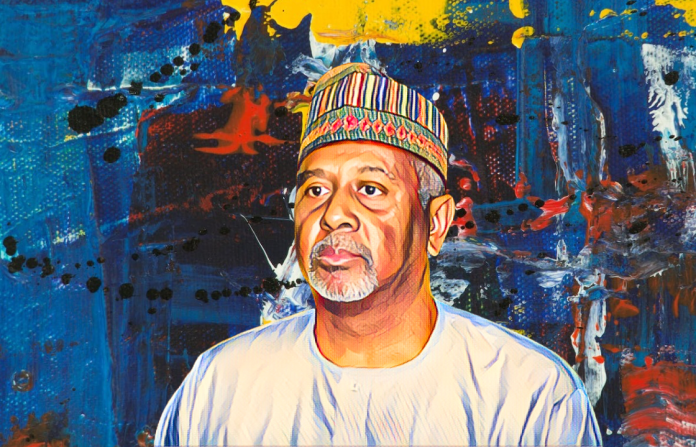
Key Points
-
Court rejects FG’s evidence against Dasuki.
-
Judge warns against repeating previously rejected exhibits.
-
Defence says government must appeal, not retry in same court.
The Federal High Court in Abuja has again turned down the Federal Government’s bid to present new evidence against former National Security Adviser (NSA) Col.
Sambo Dasuki (rtd) in his ongoing money laundering trial.
Justice Peter Lifu ruled that the exhibits had already been rejected earlier in the case and could not be reintroduced.
He described the government’s move as “an invitation to judicial rascality.”
Dasuki, who served under former President Goodluck Jonathan, faces a seven-count charge of money laundering and illegal possession of firearms.
Judge says court cannot revisit rejected evidence
Justice Lifu reminded prosecutors that on July 10, 2025, the same exhibits were rejected for lack of relevance and improper foundation.
“That ruling still stands,” he said. “Reintroducing them would mean sitting on appeal over my own decision. Common sense and law do not support this request.”
He noted that the prosecution’s application tried to force the court to overturn its own judgment, which would undermine the judiciary’s integrity.
Defence opposes FG’s renewed evidence request
Lead prosecution lawyer Oladipupo Okpeseyi, SAN, urged the court to accept the exhibits and even requested that the court visit the Department of State Services (DSS) headquarters to inspect a vehicle seized from Dasuki in 2015.
Defence counsel A. A. Usman objected, reminding the court that the same materials had already been marked “rejected.” He argued that the only proper step for the prosecution was to appeal the earlier ruling.
He described the application as “baseless, ill-conceived, and a clear attempt to turn back the clock.”
Dasuki still faces separate money laundering charges
Dasuki has pleaded not guilty to all charges. The Federal Government accuses him of possessing unlicensed firearms and holding various sums — including $40,000, N5 million, and $20,000 — at his Abuja home in 2015.
He allegedly kept another $150,000 and N37.6 million at his Sokoto residence, said to be proceeds of unlawful acts.
The ruling marks another setback for the prosecution. Dasuki still faces two other money laundering cases filed by the administration of former President Muhammadu Buhari at the FCT High Court.

