

Key Points
-
Thousands of women and children in Plateau live without government support after attacks.
-
Many give birth in unsafe conditions with little to no medical aid.
-
Resettlement funds and aid promises remain largely unfulfilled.
When soldiers withdrew after another night of gunfire in Bokkos, 28-year-old Rifkatu Joseph walked for hours through the bush, carrying her two-year-old son and a bag of clothes.
She was six months pregnant. That was in December 2023, and she hasn’t gone home since.
Now, she lives in a half-finished school building with other displaced families. At night, they sleep on bare floors, covering themselves with thin mats.
“I gave birth here without a nurse,” she said quietly, pointing to a dusty corner. “My baby came in the middle of the night. Other women helped me. We had no light.”
Lives on hold
Thousands of women like Rifkatu have been displaced by waves of attacks in Plateau State’s Bokkos, Barkin Ladi, and Mangu local government areas.
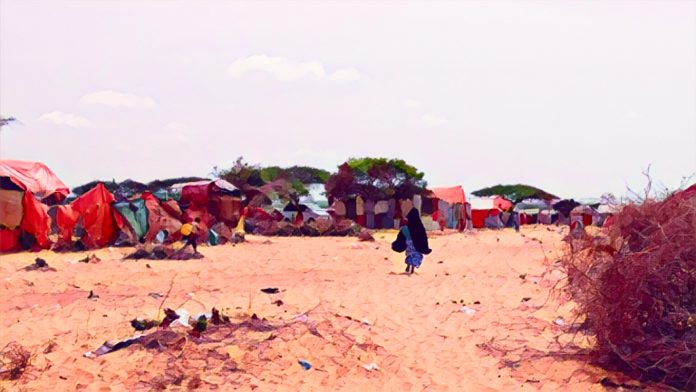
They live in rented rooms, church halls, and unfinished buildings. There are no official camps.
According to local NGOs, more than 18,000 women and children are spread across the three councils, surviving on irregular food donations. Some mothers trade firewood for food. Others beg by the roadside.
“They came to our village at night,” said 42-year-old farmer Ladi Pam, now sheltering in Barkin Ladi. “My husband was shot. I ran with my children. We’ve been here for months.”
Lost childhoods
Children wander between ruins and open classrooms that once served as schools. Teachers stopped coming months ago.
“The school closed after the attack,” said nine-year-old Nanbam, her voice barely above a whisper. “I want to go back, but we don’t have books.”
Aid workers say the situation is worse for teenage girls. Many have dropped out of school and some have become pregnant after assaults in displacement sites.
Aid gaps and government failure
The Plateau State Emergency Management Agency (SEMA) says it is aware of the crisis but blames limited funding.
“We visit communities to provide relief,” said SEMA spokesperson, James Lot, “but we can’t reach everyone. The number of displaced people keeps rising.”
However, Red Cross coordinator Moses Dabo said government response remains slow. “They promise supplies, but nothing comes on time. The burden falls on churches and volunteers.”
Rights on paper, not in practice
Human rights groups say state and federal agencies have failed to protect women and children. Amnesty International Nigeria reports that despite repeated pledges, there’s no clear resettlement plan.
“The government never released the funds approved for reconstruction,” said one Amnesty field officer. “Women still give birth in dangerous places. These are lives, not statistics.”
Community resilience
Despite the hardship, displaced women continue to support each other. In one corner of the Bokkos camp, a group of widows take turns grinding grains for families who can’t afford meals.
“We share everything,” said Rifkatu, now cradling her infant. “Even pain.”
A call for action
Religious leaders and activists have urged the Plateau government to speed up recovery efforts. They warn that prolonged displacement could fuel more instability.
“People can’t live like this forever,” said Rev. Joshua Pam, who coordinates a local relief group. “If peace returns, many will rebuild. But they need help now.”
As evening falls, children chase each other in the courtyard while smoke from cooking fires fills the air.
The sound of laughter briefly masks the ache of loss. For many displaced women, hope is fragile. But it’s still alive.