

Nigeria, a country of over 200 million people, is often seen in a negative light by many Europeans, who only hear about its security problems, kidnappings and online scams. But a German non-governmental organization, Friedrich Ebert Stiftung (FES), is trying to change that perception by working with Nigerian partners on civic education, political participation and social dialogue.
FES, which has a long history in Nigeria, aims to bridge the gap between the two countries and foster mutual understanding and cooperation. The organization supports ambitious young people who want to become active members of society and contribute to the development of their country.
FES also works with trade unions, civil society groups, the military and other stakeholders on issues such as social justice, climate change, artificial intelligence and economic transformation. The organization believes that Nigeria has a huge potential and can play a positive role in the world.
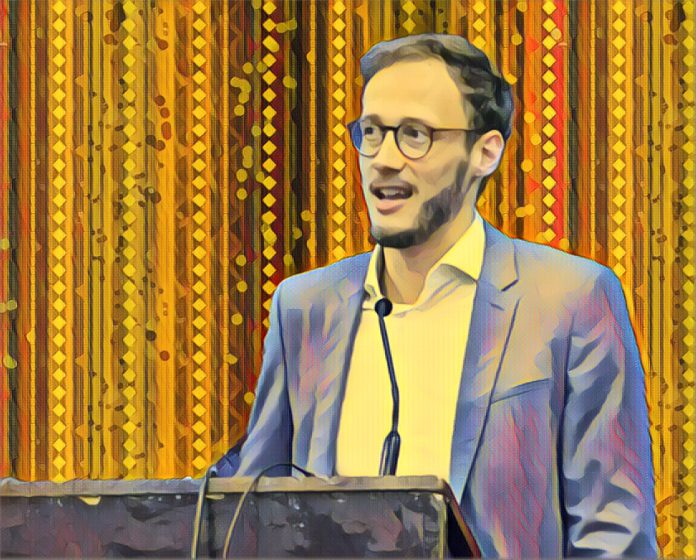
Lennart Oestergaard, the new resident representative of FES in Nigeria, said he was impressed by the friendly and welcoming people of Nigeria and the hunger for work and development among the youth. He said he felt at home in Nigeria and was eager to learn more about the country and its challenges.
He said FES tries to work on timely issues that affect both Nigeria and Germany, such as the need to reduce carbon emissions and switch to renewable energy. He said this transition would also affect workers and their rights, and that FES wants to engage in a just transition that takes into account the voices of the workers.
He also said that artificial intelligence, which is one of the most pressing issues of our time, has both potential and threats for the economy and society. He said FES wants to work on this topic and help people understand it better and use it for good.
He said FES also facilitates exchange and learning between Nigeria and Germany, by sending people from both countries to each other to share experiences and best practices. He said this exchange is very important to tackle the global crises that we face together.
He said FES is grateful for the feedback from many people who have benefited from its programs and have become successful in their careers. He said FES hopes to continue its work in Nigeria and promote social justice, social cohesion and social dialogue.
Source: Vanguard

