

Key Points
-
Nigeria advances its aircraft component manufacturing effort.
-
New aerospace partnerships are shaping the initiative.
-
Skilled workforce training will support production.
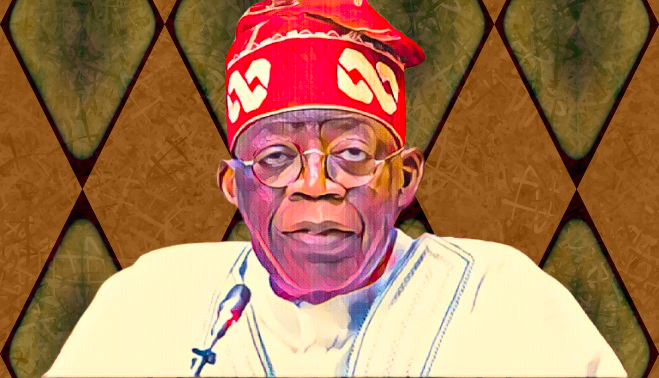
President Bola Tinubu, who was represented by Secretary General of the Federation George Akume, spoke at the Nigerian International Airshow on Tuesday. He called the event “a historic event that places Nigeria firmly on the global aviation map.” He said that the airshow shows that Nigeria is now in the same league as countries that host world-class aviation shows like Farnborough, Paris, and Dubai.
Tinubu said that Nigeria’s aviation industry has grown steadily from “humble beginnings to global ambitions.” He also said that passenger traffic, which reached 15.89 million in 2023, is expected to reach 25.7 million by 2029. The industry is expected to make $2.58 billion a year.
Improvements to infrastructure and compliance with global standards increase trust
The President talked about how much money the government has put into improving airports, like the ₦712 billion renovation of Murtala Muhammed Airport in Lagos and ongoing upgrades at six major airports and several runways. He also talked about how Nigeria is the best in Africa at following international aviation rules, with the Cape Town Convention score going from 49.5% to 75.5%.
“This achievement gives airlines access to low-cost aircraft financing and makes investors more confident,” Tinubu said. He also said that the Federal Government has made deals with Boeing and Cranfield University to build advanced Maintenance, Repair, and Overhaul (MRO) facilities.
The goal is to cut down on the $200 million spent each year on maintenance abroad. Aero Contractors and XEJet are leading the way with new hubs in Lagos and Abuja.
Regional hub goals drive growth and connectivity
Tinubu pointed out that international connections have gotten better lately. For example, Air Peace has started flying between Lagos and London again, and Emirates and Uganda Airlines have come back to Nigeria. Aviation now makes up 2.5% of Nigeria’s GDP.
The President said again that Nigeria is positioning itself as a regional aviation hub through public-private partnerships, more training centres, and plans to make parts for aeroplanes in Nigeria. This shows how important the aviation sector is becoming to the country’s economic strategy.

