

Key Points
-
US lawmakers open joint probe into targeted Christian killings in Nigeria
-
Experts urge sanctions, oversight and new pressure on Abuja
-
Witnesses argue violence is religious and escalating
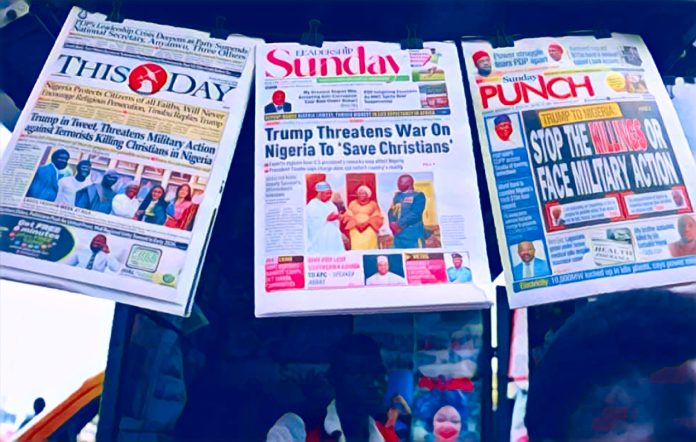
United States lawmakers held a rare joint briefing to examine growing attacks on Christians in Nigeria. House Appropriators and Foreign Affairs leaders gathered in Washington as part of a wider investigation ordered by President Donald Trump.
The inquiry focuses on recent mass killings, patterns of religiously targeted violence and potential US actions that could compel Abuja to respond more forcefully.
House Appropriations Vice Chair Mario Díaz-Balart led the session. The review feeds into a comprehensive human rights report requested by the White House.
Trump has raised the idea of direct US military action against Islamist groups that kill Christians.
Experts Detail Escalating Attacks
Vicky Hartzler, who heads the US Commission on International Religious Freedom, told lawmakers that religious freedom in Nigeria feels “under siege.”
She referenced the abduction of more than 300 children and attacks in which entire Christian villages are destroyed.
Hartzler described the violations as rampant and violent, arguing that Christians face attacks at more than double the rate of Muslims.
She noted that the Nigerian government has made some early adjustments, including the reassignment of about 100,000 police officers away from VIP protection details.
Even with those changes, Hartzler warned that the country is entering a coordinated and deeply troubling period of escalating violence.
Her recommendations included targeted sanctions on Nigerian officials found complicit in abuses, visa restrictions, asset freezes and conditioning US aid on clear accountability.
She urged a Government Accountability Office review of past assistance and pushed Abuja to reclaim villages seized from Christian farming communities.
Dispute Over Nigeria’s Narrative
Dr. Ebenezer Obadare of the Council on Foreign Relations challenged Nigeria’s claim that the violence is not religious.
He argued that Boko Haram and other militant groups operate with a religious motive, not an equal-opportunity pattern of attacks.
He explained that any higher Muslim casualty count stems from geography rather than balanced targeting.
Obadare described Boko Haram as fundamentally opposed to democratic institutions. He argued that the Nigerian military remains too corrupt and too weak to dismantle extremist networks without sustained external pressure.
He pushed for US insistence that Nigeria disband armed groups enforcing religious law, confront corruption inside security agencies and respond quickly to warnings of impending attacks.
Nigeria Named “Deadliest Country for Christians”
Sean Nelson of Alliance Defending Freedom International reinforced the view that Christians face disproportionate danger.
He called Nigeria the deadliest country in the world for Christians and argued that more Christians die there than in all other nations combined.
He added that extremists also target Muslims who refuse to embrace their ideology, which he said undermines Abuja’s claims that the violence is mainly criminal.
Nelson urged stronger US oversight of assistance to Nigeria. He encouraged channeling some aid through faith-based groups to avoid corruption and pushed for more transparency around mass kidnappings and ransom payments. Nelson warned that without outside pressure, little changes on the ground.
Congress Prepares Further Action
Díaz-Balart criticised the Biden administration’s 2021 decision to remove Nigeria from the list of “countries of particular concern,” arguing that the reversal produced deadly consequences.
Lawmakers across the Appropriations, Foreign Affairs and Financial Services committees signaled additional oversight steps as they prepare the Trump-directed report.
Hartzler pointed to new actions inside Nigeria that could mark a shift, including President Bola Tinubu’s recent move to pull around 100,000 police officers from VIP duty for redeployment across the country.
She called it a promising step after years of inaction and noted growing recognition within Nigeria’s leadership that the violence has reached an intolerable level.
She also referenced remarks from Nigeria’s speaker of the House acknowledging that the country faces a coordinated period of heightened attacks.
Hartzler explained that this recognition, combined with calls from top lawmakers in Nigeria for tighter oversight, could indicate a turning point. Even so, she stressed that these actions remain insufficient.
Pressure Builds on Abuja
Hartzler argued that Nigeria must show clear intent to confront injustice and respond rapidly when early warning signs appear.
She pressed for more transparency and deeper accountability if recent steps are to amount to real progress.
The Nigerian Embassy did not respond to requests for comment.

