

KEY POINTS
- Obasanjo says Boko Haram war has lasted longer than the civil war.
- He calls for specialised foreign military training and modern technology.
- The government ignored early efforts to open dialogue with Boko Haram.
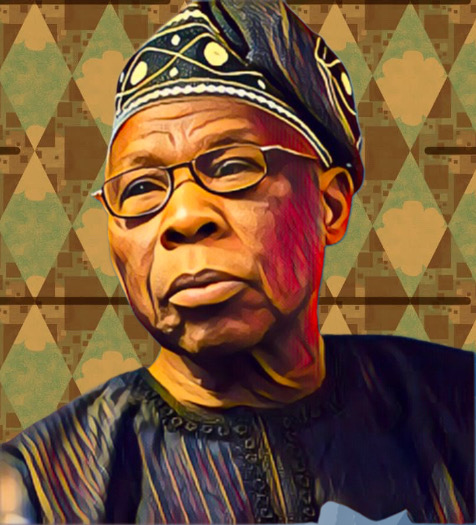
Former Nigerian President Olusegun Obasanjo warned that the country’s 15-year battle against Boko Haram has dragged on far longer than it should, saying the conflict has now outlasted the 30-month civil war and will persist unless the military undergoes specialised training and modernises its counter-insurgency methods.
Obasanjo spoke on Sunday during a virtual appearance on the Toyin Falola Interviews, joining Bishop Matthew Hassan Kukah and former Central Bank Deputy Governor Kingsley Moghalu on a panel examining Nigeria’s worsening insecurity.
The former leader, who commanded troops during the civil war and later headed the military government, said Nigeria continues to fight “a modern, asymmetric conflict with a conventional mindset.”
This Is Not Conventional Warfare
“There are different types of training, the military trains for conventional war and static enemies, Obasanjo said. But if the people you’re dealing with are fleeting targets or living among civilians, you need a different type of training to deal with them.”
He pointed to Colombia’s military as a model for counter-insurgency training Nigeria should adopt. “Should we invite them to train our people? There is no shame in that,” he said, arguing that Nigeria should seek external expertise instead of relying solely on traditional methods.
Obasanjo outlined four gaps he believes continue to undermine the fight against terrorism, specialised training, modern equipment, credible intelligence, and advanced technology and insisted that all four must operate together.
He criticised the military for involving itself in defence procurement, arguing that a professionalised defence-industrial system not frontline forces should handle equipment acquisition. “People do not do it that way. The whole thing operates like an industry,” he said.
A War Long Past Its Expected End
The former president said he remains troubled by how long the Boko Haram conflict has lasted. “Civil war lasted for 30 months, although we thought it would last six,” he said. “But this fight against insurgents and criminals has lasted almost 15 years.”
Obasanjo recounted travelling to Maiduguri in 2011 in an effort to understand the insurgency’s roots, leadership structure and initial grievances. He said he refused to use a government aircraft so that people would not see him as a state emissary.
“When I arrived, I found they were truly an organised group,” he said. He added that other clergy members had once recommended their late founder, Mohammed Yusuf, as a decent man.
Obasanjo said the group initially refused to talk to the government, and when they later softened their position, they insisted on holding the meeting outside Africa, a condition he rejected.
He said he repeatedly urged the federal government to open dialogue channels, including after securing a willingness from Boko Haram to consider a 21-day ceasefire. “I reported everything to the government, but nothing was done,” he said.
The former leader said the lack of government follow-up “closed a window” that could have altered the insurgency’s trajectory before it escalated into a prolonged war.

