

KEY POINTS
- African billionaires on Instagram are cautiously trading anonymity for controlled visibility.
- Younger audiences are reshaping how African billionaires on Instagram project influence.
- Social media now complements, rather than replaces, traditional sources of power.
Africa’s richest individuals once treated invisibility as a form of insurance. Security risks, cultural norms and strategic discretion all favored silence. Power, for decades, lived comfortably behind factory gates and boardroom doors.
That equation is shifting. Influence now circulates online, reputations are built in public, and younger audiences are skeptical of wealth they cannot see or interrogate. Across Instagram, and to a lesser extent Facebook and X, fragments of elite African lives are emerging, not as influencer theatrics but as selective self-portraiture. The change is uneven, sometimes reluctant, but unmistakable.
African billionaires on Instagram redefine visibility
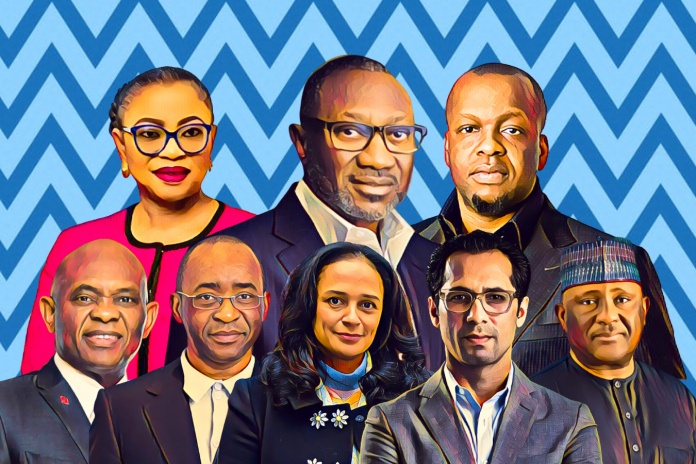
Only a small fraction of Africa’s roughly two dozen dollar billionaires maintain Instagram accounts, yet those who do attract disproportionate attention. Aliko Dangote, the continent’s richest man, remains mostly absent. His rare appearances, usually tied to factories or formal events, reinforce an older logic: wealth as infrastructure, not narrative. Even silence, in his case, functions as messaging.
Abdul Samad Rabiu, long cut from similar cloth, has begun to soften that stance. His stream has policy speeches, development forums, and charity events, which show purpose without being flashy. Femi Otedola finds a new balance by revealing family milestones and carefully chosen luxury items in a way that feels more intimate than advertising.
African billionaires on Instagram reshape influence
Tony Elumelu has done the most to make money a digital philosophy. He talks about business, giving young people power, and African self-reliance, but he doesn’t talk about net worth. Folorunsho Alakija talks about how faith and stewardship may lead to prosperity on Instagram, which she uses as both a pulpit and a personal diary.
What makes Mohammed Dewji different is how honest he is. The Tanzanian businessman combines business news with workouts, humanitarian work, and honest opinions to establish a following that wants to be open. In a fast-paced media world where reputation is vital, Isabel dos Santos uses Instagram to control the story.
According to Billionaires Africa, these accounts collectively illustrate that things have changed. Mystery alone does not sustain authority. For African billionaires on Instagram, selective visibility has become part of modern power.

