

Key Points
-
Trump recalled the US ambassador to Nigeria and 29 other diplomats worldwide.
-
The State Department said recalls align ambassadors with the America First agenda.
-
Affected diplomats may return to Washington for new assignments within the foreign service.
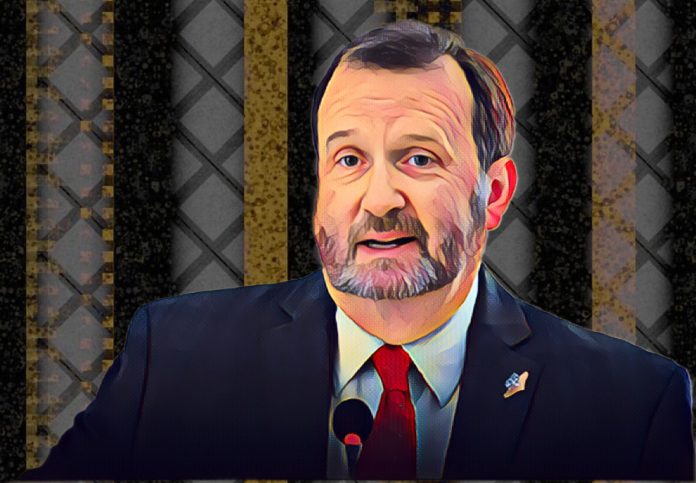
President Donald Trump has recalled the United States ambassador to Nigeria, Richard Mills Jr., as part of a sweeping overhaul of senior diplomatic postings aimed at realigning US foreign policy with his administration’s priorities.
The decision affects Mills and at least 29 other career diplomats serving as ambassadors or senior embassy officials, according to reports by Politico and confirmation from US officials.
The move marks one of the most significant diplomatic shake-ups since Trump began his second term.
Africa bears the brunt of recalls
Most of the recalled ambassadors are stationed in Africa, where chiefs of mission from 15 countries were affected.
In addition to Nigeria, the list includes Burundi, Cameroon, Cape Verde, Gabon, Côte d’Ivoire, Madagascar, Mauritius, Niger, Rwanda, Senegal, Somalia, Algeria, Egypt and Uganda.
The scale of the changes has drawn attention to Africa’s place in Washington’s evolving foreign policy, as the administration reassesses diplomatic priorities across the continent.
Changes stretch across regions
The recall extends beyond Africa. In the Asia-Pacific region, ambassadors to Fiji, Laos, the Marshall Islands, Papua New Guinea, the Philippines and Vietnam were notified of the decision.
In Europe, postings in Armenia, North Macedonia, Montenegro and Slovakia were also affected.
Nepal and Sri Lanka were included in South Asia, while Guatemala and Suriname were among those impacted in the Western Hemisphere.
All of the diplomats were appointed during the administration of former President Joe Biden and remained in office after Trump returned to the White House.
State Department defends move
The State Department described the recalls as part of a standard transition process. In a statement, it said ambassadors serve as personal representatives of the president, who has the authority to select envoys aligned with his foreign policy agenda.
Two State Department officials told the Associated Press that the affected diplomats were informed last week that their assignments would end in January.
They noted that ambassadors typically serve three to four years but remain in their posts at the president’s discretion.
The officials emphasized that the recalled diplomats are not being dismissed from the foreign service and may return to Washington for other assignments.
Mills, a career diplomat, served in Nigeria during a period marked by security challenges and economic reforms. His recall comes as Washington continues to reassess its diplomatic footprint in key regions.
The White House has yet to announce replacements, with nominations expected as the administration reshapes its diplomatic corps.

