

Key Points
• Laboratory tests found iron and zinc levels far above safety limits in street ground pepper
• Experts warn repeated exposure can damage organs and weaken immunity
• Poor regulation leaves millions exposed to contaminated everyday food
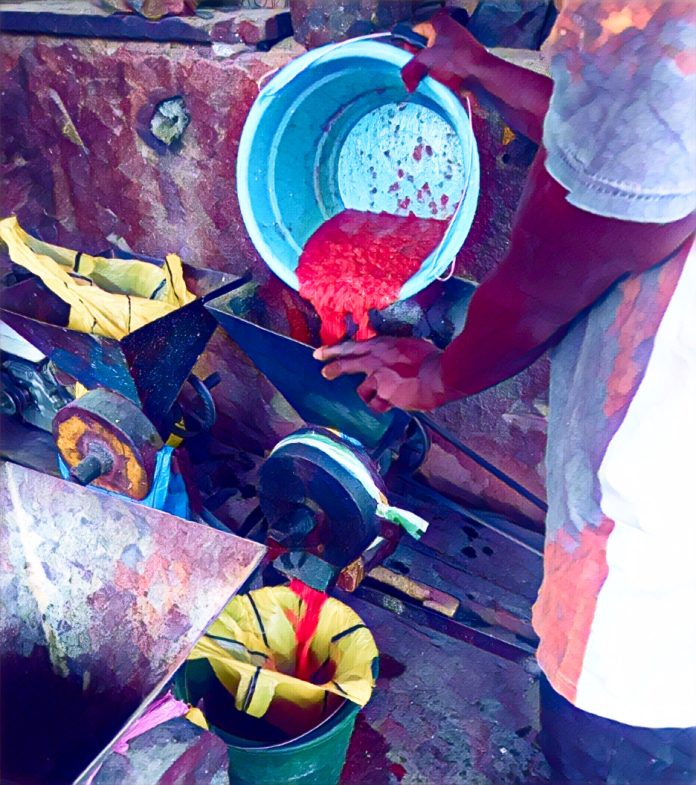
In markets across Lagos, the sound of metal grinding machines forms part of daily life. Pepper, tomatoes and grains pass through them without much thought. Tests now suggest that routine choice carries unseen risks.
An investigative visit to several Lagos markets involved buying fresh pepper ground on local metal machines.
Samples were later tested at a federal laboratory. The results showed iron and zinc levels far above acceptable safety limits, metals that can cause serious harm when consumed repeatedly.
Why some residents stopped using street grinders
Hadi Yusuf, a Lagos resident for more than a decade, said he stopped using street grinders years ago. He controls how his family processes food, even during power cuts.
“I do not trust those machines,” Yusuf explained. He worries about what they grind before his food and how poorly they are cleaned.
Sani Shuaib shared a similar concern after spotting dark particles in ground beans his wife brought home from a roadside vendor. He traced the source back to the grinder and stopped using street mills entirely. The next day, he bought home blenders.
A food business derailed by metal contamination
Food entrepreneur Roberta Edu Oyedokun learned the risks the hard way. A peanut cereal produced with a locally fabricated grinder failed a routine test due to iron contamination. The grinder was shedding metal into food meant for children.
She discarded the machine immediately. When production returned to basic kitchen blenders, the contamination stopped.
“The woman grinding tomatoes on the street feeds more people than many factories,” Oyedokun noted. Yet those operations remain largely unregulated.
Laboratory findings raise alarm
At an Ogba grinding spot, laboratory analysis of pepper showed iron levels exceeding 3,000 milligrams per kilogram, more than thirty times the accepted limit. Zinc levels were also dangerously high.
Medical experts warn that excessive iron intake can damage the liver, heart and pancreas over time. High zinc exposure can weaken immunity and disrupt mineral balance. Children and pregnant women face the highest risk.
Health experts warn of cumulative damage
Researchers link contamination to worn machine parts, poor maintenance and metal bearings breaking down during grinding.
Despite the risks, vendors such as Iya Lisa in Mushin rely on the trade to survive. She cleans her machines regularly and insists no customer has complained.
The findings suggest the danger is not limited to one vendor or market. It reflects a wider food safety gap affecting millions who depend on street ground food every day.

